
Transformer Steel Market Size and Forecast 2025–2034
Characteristics and Uses of 4-8 Series Aluminum Alloy Plates

4 Series Aluminum-Silicon Alloys

Representatives: 4A01, 4047
Characteristics:
① Aluminum alloys with silicon as the main alloying element, mostly non-heat-treatable. The silicon content typically ranges between 4.5-6.0%.
② Low melting point, good fluidity of the melt, easy to fill shrinkage, and excellent corrosion resistance.
③ Excellent wear resistance and heat resistance.
Applications:
Mainly used for welding materials, pistons, and heat-resistant parts.

5 Series Aluminum-Magnesium Alloys

Representatives: 5052, 5005, 5083, 5A05 series
Characteristics:
① Aluminum alloys with magnesium (Mg) as the main alloying element, with magnesium content between 3-5%.
② Non-heat treatable.
③ Low density, high strength, excellent tensile strength, and elongation.
④ Excellent weldability and good fatigue performance, especially suitable for stamping processes.
⑤ Good resistance to marine atmospheric corrosion.
Applications:
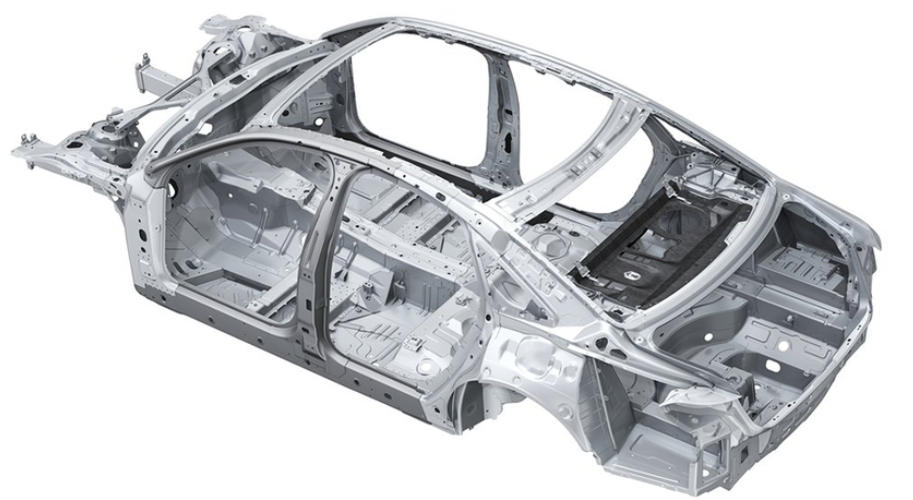
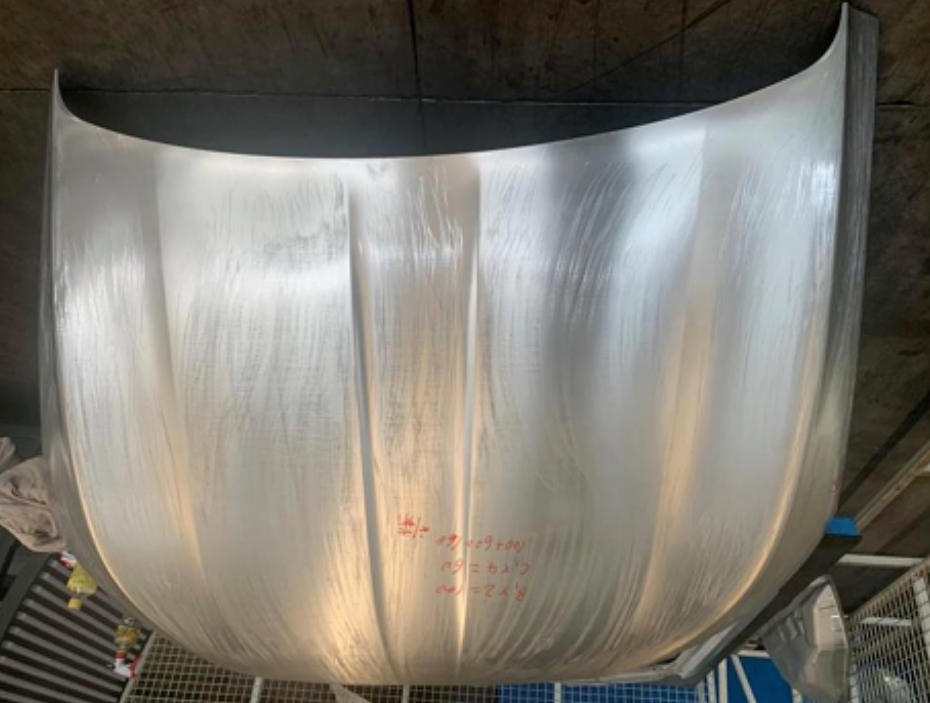
Used for automotive aluminum parts, aircraft fuel tanks, military ships, submarines, containers, etc. 5052, 5005, and other aluminum alloys are widely used in automotive manufacturing, particularly for car body and stamping components.

6 Series Aluminum-Magnesium-Silicon Alloys

Representatives: 6061, 6063, 6082 series
Characteristics:
① Aluminum alloys with magnesium (Mg) and silicon (Si) as the main alloying elements.
② Can be heat-treated (T4, T6).
③ Medium strength, high corrosion resistance.
④ Excellent weldability, formability, and processability.
Applications:
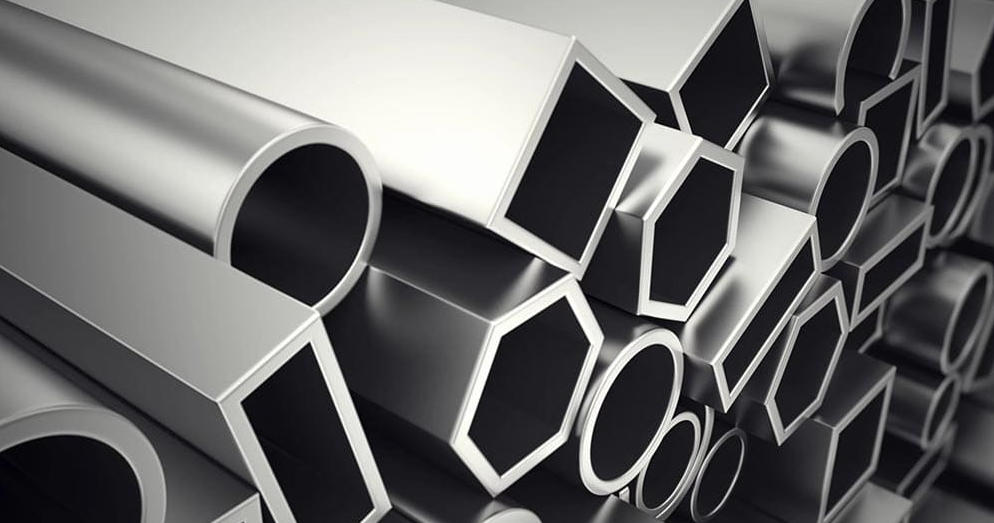
Mainly used in mechanical parts requiring certain strength, automotive aluminum, aircraft, and ship welding components, heat sinks, pipes, rods, profiles, etc. 6061 aluminum alloy is widely used in CNC machining, suitable for various mechanical parts and high-end manufacturing.

7 Series Aluminum-Zinc-Magnesium Alloys

Representatives: 7075 series
Characteristics:
① Aluminum alloys with zinc as the main alloying element.
② Heat-treatable and high hardness.
③ Excellent wear resistance and strength, widely used in the aerospace industry.
Applications:
Mainly used for external aircraft components, precision molds, and high-strength, corrosion-resistant structural parts.

8 Series Aluminum Plates

Representatives: 8011 aluminum plates
Characteristics:
① Aluminum plates primarily used for bottle caps, also applied in heat exchangers, though less common.
Applications:
Mainly used for manufacturing aluminum foil, widely applied in packaging, construction, transportation, and electronics.

9 Series Backup Alloys

Characteristics:
In response to aluminum plates containing other alloying elements, the International Aluminum Plate and Sheet Association has designated the 9000 series as a backup series, awaiting the emergence of new alloys to fill the gap in the 9000 series.

Conclusion and MOOPEC Lead-In

The 4-8 series aluminum alloys each have unique characteristics and are widely applied in construction, automotive, machinery, aerospace, and electronics industries. When choosing aluminum alloy plates, it is essential to select the appropriate alloy series based on the specific environmental conditions and performance requirements.


Transformer Steel Market Size and Forecast 2025–2034
The Key Factors Global Buyers Look for in CRGO Slit Coils