
Aluminum Alloys

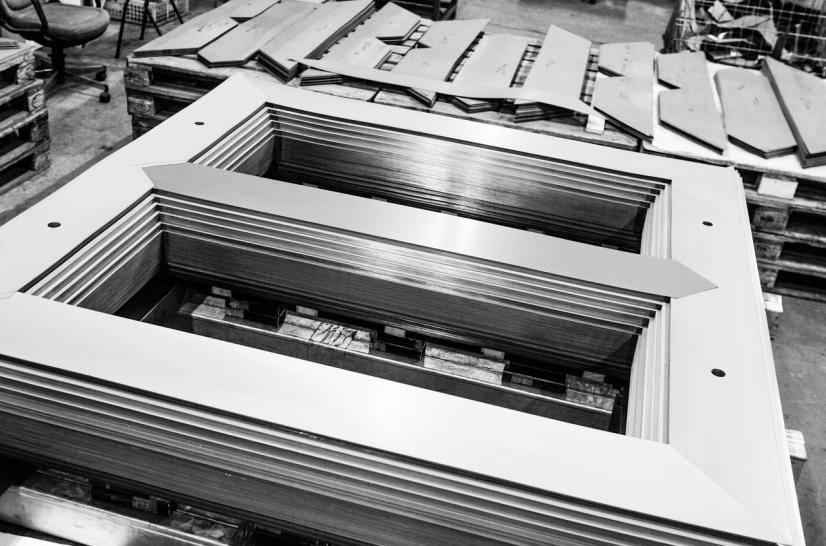
Mitred transformer core laminations

Why OEMs Choose Mitred Laminations for Superior Transformer Efficiency

The Key to Transformer Efficiency: Mitred Lamination High-capacity transformers are built to handle continuous electrical loads and perform reliably for decades. The cornerstone of their dependability lies in one often-hidden component: the core lamination. For Original Equipment Manufacturers (OEMs), mitred lamination has become the industry standard for achieving superior energy efficiency, reduced losses, and long-term

Why OEMs Choose Mitred Laminations for Superior Transformer Efficiency Read More »

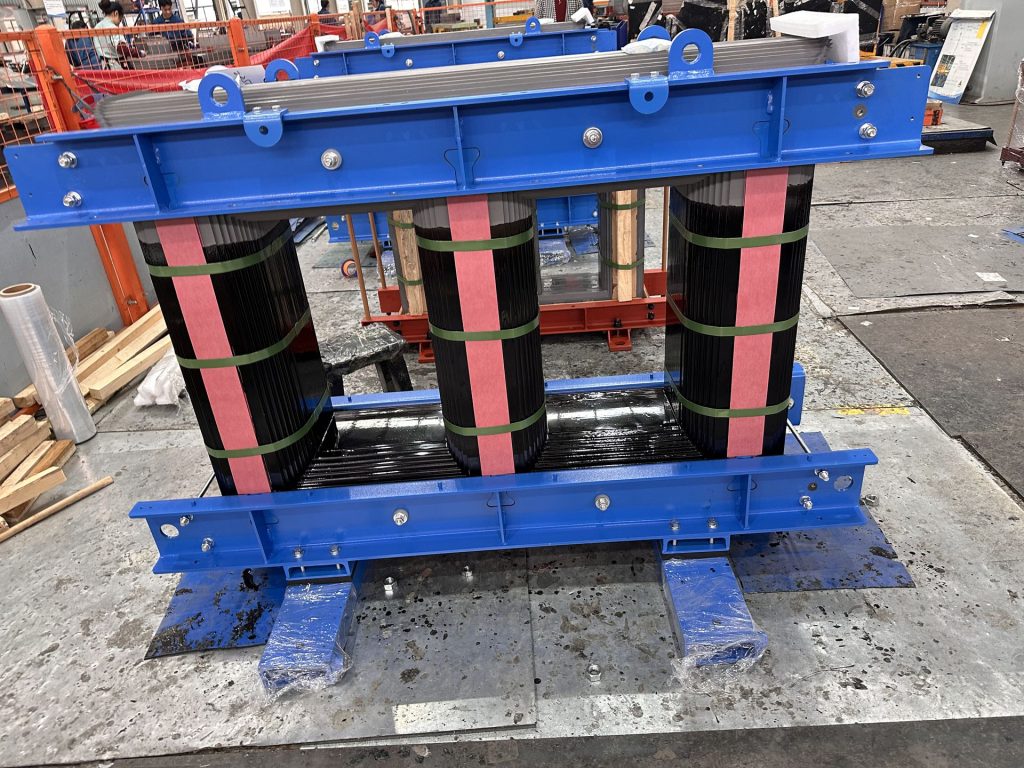
Transformer core assembly

How CRGO Transformer Laminations Improve Core Efficiency

Transformers are the backbone of modern power systems. They support everything from national grids to renewable energy sites and large industrial facilities. Their efficiency, however, depends heavily on the performance of the magnetic core. That is why CRGO transformer lamination has become a preferred material worldwide. In addition, its grain-oriented structure improves magnetic permeability, lowers

How CRGO Transformer Laminations Improve Core Efficiency Read More »

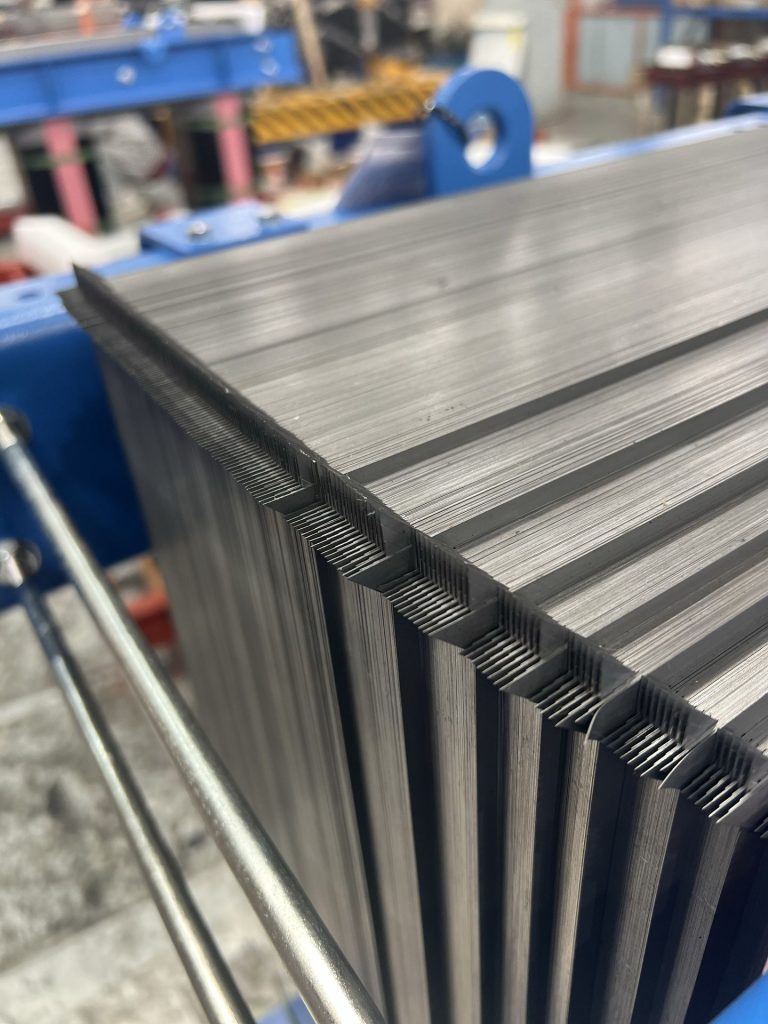
CRGO transformer lamination stack

t 2025–2034 Who Says Higher Silicon Content Makes Transformer Steel Better?

Many people assume that increasing the silicon percentage in transformer steel automatically leads to better transformer performance. In reality, the situation is far more nuanced. The silicon content alone is not the decisive factor. Instead, what shapes the performance of a transformer core is: Whether the material is grain oriented silicon steel (GO steel) or

t 2025–2034 Who Says Higher Silicon Content Makes Transformer Steel Better? Read More »

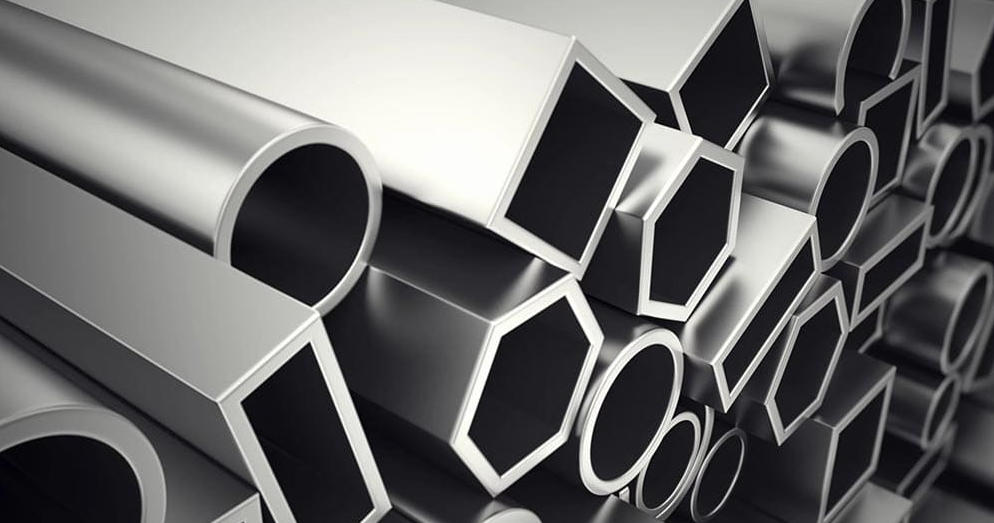
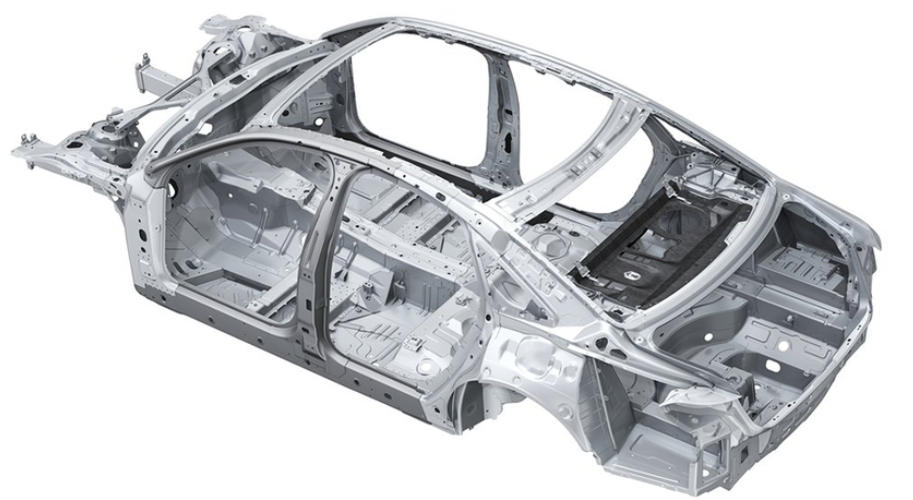
aluminum alloy(1)

Research on Material Characteristics and Stamping Process Technologies of Automotive Aluminum Sheets

In recent years, electric powertrain systems and intelligent vehicle technologies have developed rapidly. As a result, the penetration rate of new energy vehicles Hidden Cracking: Product design requires stricter control of corner radii and draw depths compared with steel. Engineers typically limit aluminum thinning rates to ≤14%, versus 20% for steel. Springback Control: Engineers commonly

Research on Material Characteristics and Stamping Process Technologies of Automotive Aluminum Sheets Read More »

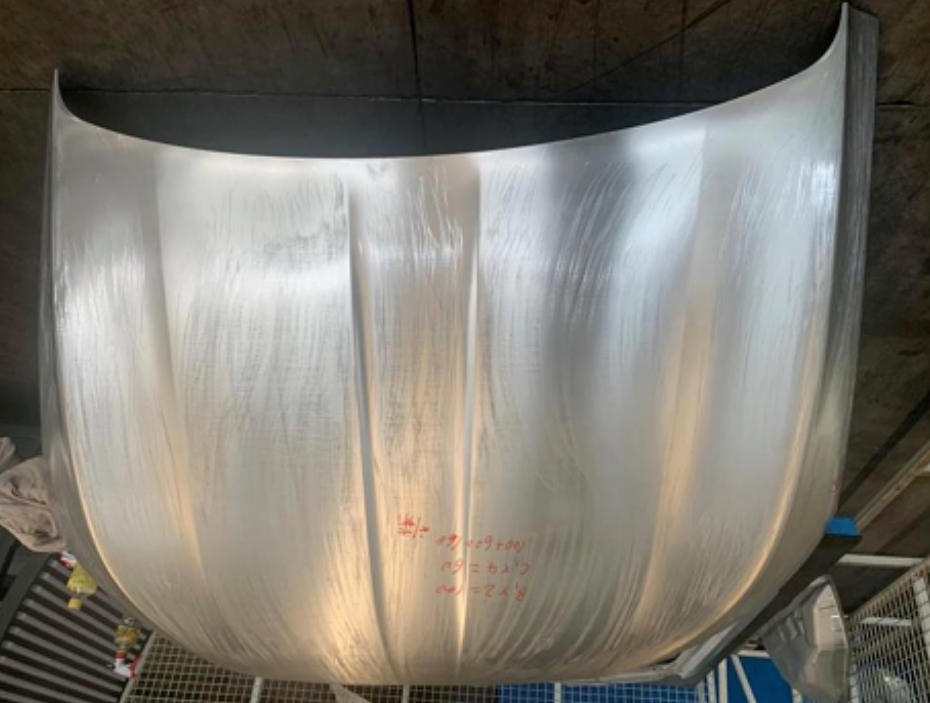
schematic diagram of the trial produced product

Process Design and Optimization for Aluminum Hood Outer Panel Forming

Abstract ObjectiveTo address problems such as tearing, wrinkling, and non-uniform deformation that may occur during the cold stamping forming process of the automotive hood outer panel, AutoForm software was used to optimize the process parameters. MethodsAn aluminum alloy sheet with a thickness of 0.95 mm was used as the raw material. A three-dimensional model of

Process Design and Optimization for Aluminum Hood Outer Panel Forming Read More »

Car in tunnel

Why Aluminum Stamping Is the Future of Automotive Manufacturing

The use of aluminum sheet for auto bodies has really taken off – from Audi’s all-aluminum body, to Chery Jaguar Land Rover’s mixed aluminum body, to the NIO ES8’s full aluminum structure. As aluminum gains ground, stamping line technology is evolving right along with it. Just like with traditional steel, stamping aluminum involves: incoming material

Why Aluminum Stamping Is the Future of Automotive Manufacturing Read More »

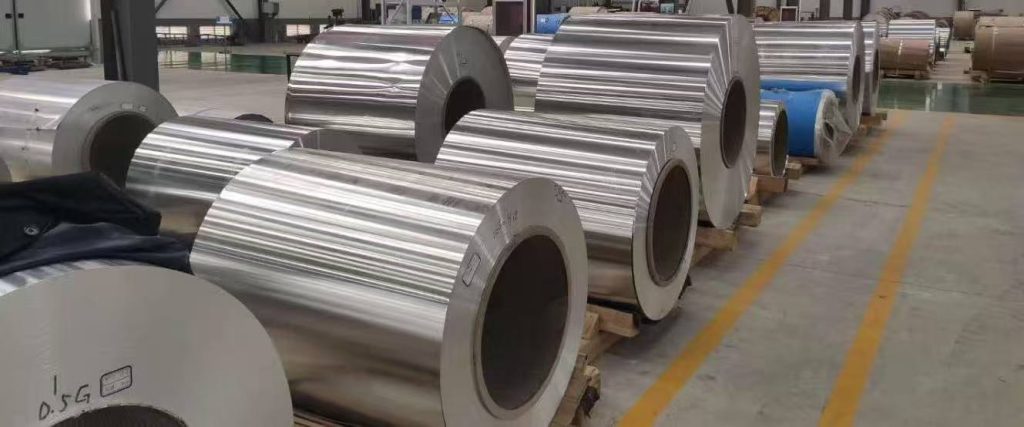
Aluminum coils storage

China Aluminum Inventory 1.4Mt vs LME 350kt

In 2026, the global aluminum market is experiencing a structural transformation, with a sharp contrast between high domestic aluminum inventory in China and a severe global supply gap. For aluminum industry participants—including processors, traders, and buyers—the core concerns are: How long will the aluminum inventory destocking cycle take? And when is the best time to

China Aluminum Inventory 1.4Mt vs LME 350kt Read More »

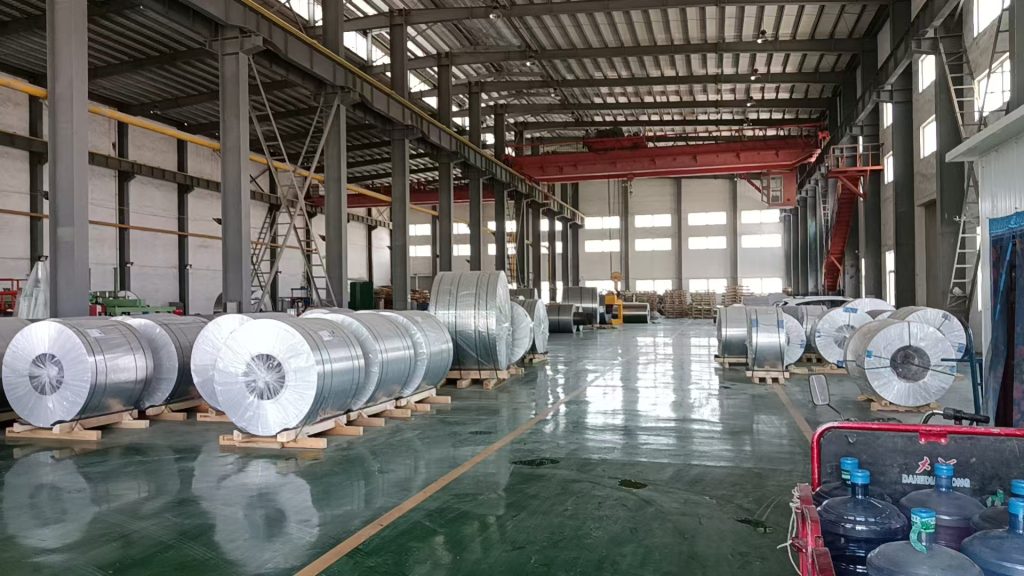
Aluminum coils in factory warehouse

Selection of 2xxx, 5xxx and 7xxx aluminum alloys

Aluminum extrusions are widely used in aerospace, rail transportation, marine engineering, defense equipment, renewable energy systems, precision machinery and high-performance structural applications. When buyers choose aluminum extruded profiles, they often start with the visible requirements: profile shape, wall thickness, dimensional tolerance, surface quality and machining precision. However, once the project moves into real material selection,

Selection of 2xxx, 5xxx and 7xxx aluminum alloys Read More »