
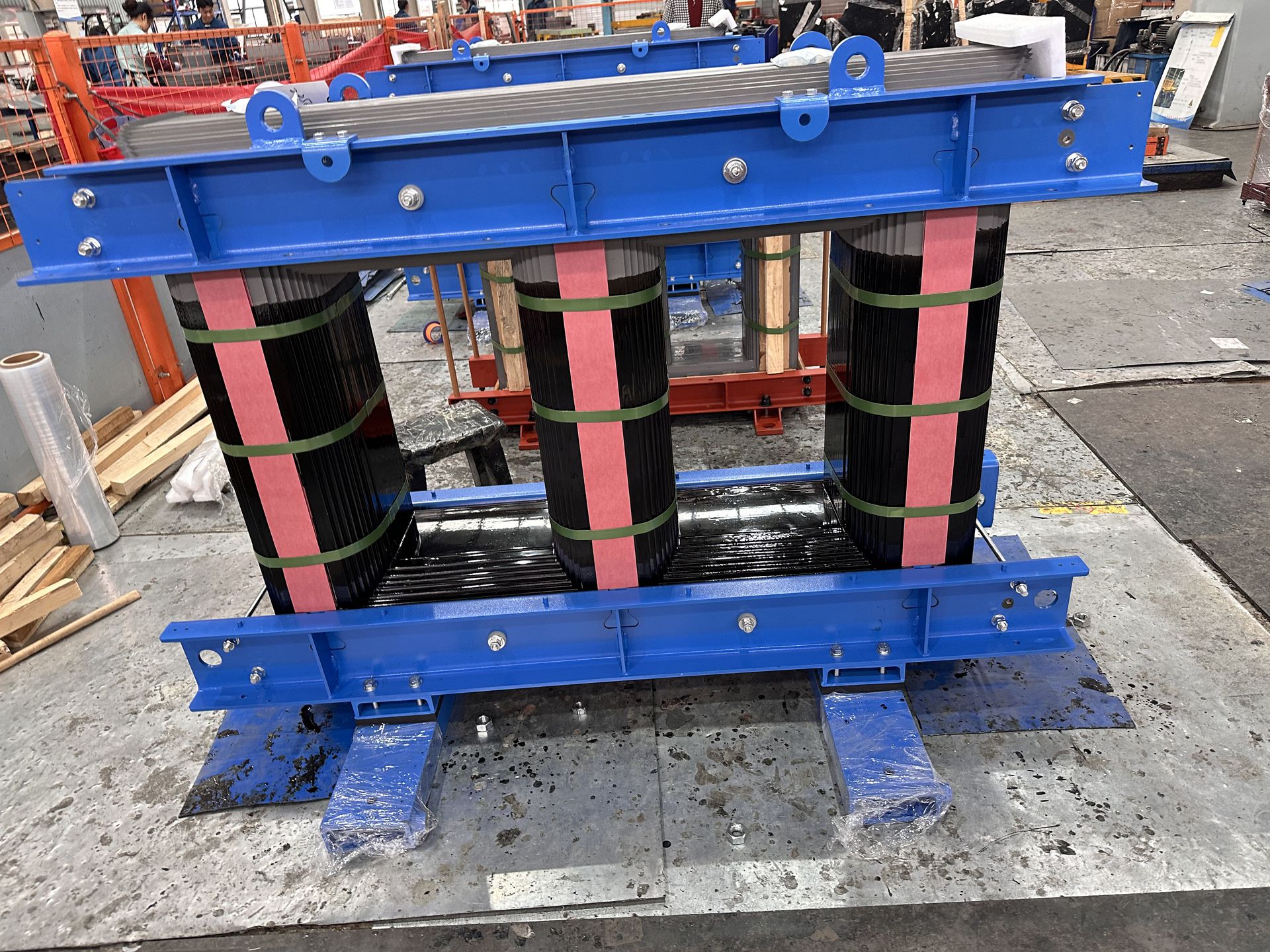
Transformers are the backbone of modern power systems. They support everything from national grids to renewable energy sites and large industrial facilities. Their efficiency, however, depends heavily on the performance of the magnetic core. That is why CRGO transformer lamination has become a preferred material worldwide. In addition, its grain-oriented structure improves magnetic permeability, lowers core loss, and delivers higher energy efficiency.
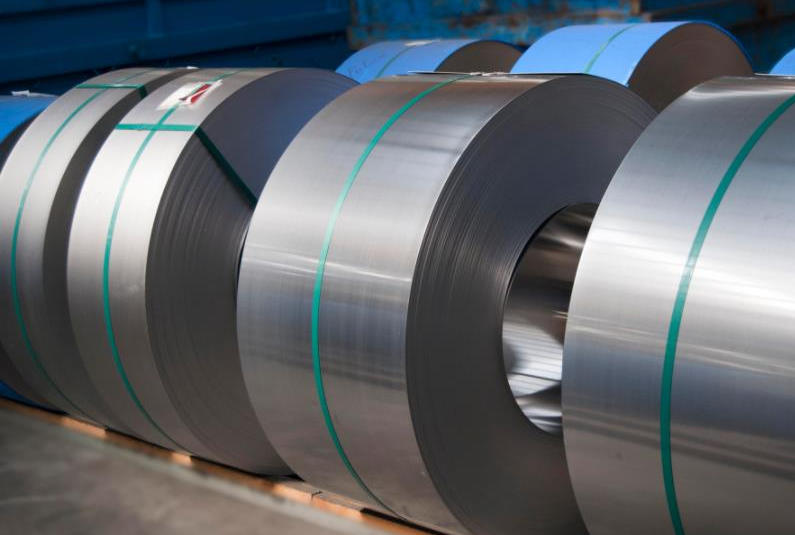
This article walks through how CRGO laminations take shape, from electrical steel composition to silicon steel stamping. It also explores how different global markets adopt the material based on infrastructure needs and regulatory standards.
Selecting the Right Electrical Steel Composition
Every high-efficiency transformer starts with the correct electrical steel composition. Manufacturers produce CRGO (Cold Rolled Grain Oriented) electrical steel with a tightly controlled iron-silicon ratio. That ratio delivers three benefits. First, it keeps hysteresis loss low. Second, it supports high magnetic permeability. Third, it improves power transmission efficiency.
Because the grains align along a single direction, CRGO steel outperforms standard electrical steel. Therefore, it is ideal for high-efficiency transformer core steel.
How Three Major Markets Adopt CRGO
United States: Grid modernization projects and renewable capacity expansion use high-grade CRGO materials, which must meet DOE and IEEE standards.
European Union: Efficiency regulations under EcoDesign push manufacturers toward ultra-low-loss CRGO grades.
India: Rapid grid expansion demands scalable production, so the market favors cost-balanced CRGO grades for mass deployment.
Cold Rolling and High-Temperature Annealing
After sourcing the steel, manufacturers first refine thickness through cold rolling. Next, high-temperature annealing delivers three improvements. First, it removes internal stress. Second, it enhances magnetic performance. Third, it improves grain alignment to reduce losses. In short, this step determines whether the material can perform as true CRGO transformer core steel.
Precision Silicon Steel Stamping and Cutting
Once processed, the steel becomes laminations through silicon steel stamping or laser cutting for tighter tolerances. Precise cutting brings three practical gains. First, it minimizes scrap. Second, it improves dimensional consistency. Finally, it supports automated stacking.
High-voltage transformers in the U.S. and EU often rely on laser cutting for performance accuracy. Meanwhile, stamping remains popular in India and Southeast Asia due to speed and cost advantages.
Applying Insulation Coatings
Each lamination receives an inorganic insulation coating to prevent electrical contact between layers. Consequently, the coating delivers three benefits. First, it reduces eddy current losses. Second, it resists high temperatures. Finally, it improves long-term durability in demanding environments.
Coastal grids, desert solar fields, and offshore wind stations often require enhanced moisture-resistant coatings.
Core Assembly Using Step-Lap or Mitred Designs
Manufacturers stack laminations into finished cores using automated alignment systems. Two assembly methods dominate:
| Technique | Advantage | Typical Markets |
| Step-lap | Reduces air gaps | North American HV transformers, European railway systems |
| Mitred joints | Improves flux continuity | India distribution transformers, industrial plants |
As a result, proper stacking directly reduces transformer core losses, particularly under long-cycle operation.
Final Stress-Relief Annealing
Mechanical stress introduced during cutting and stacking can weaken magnetic performance. A final stress-relief annealing cycle restores grain structure, which lowers losses further and improves long-term stability. In particular, this step matters for export-grade products headed to markets with strict efficiency regulations.
Quality Testing and Performance Verification
Before shipment, transformer cores undergo three checks:
- Core loss testing
- Magnetic property evaluation
- Mechanical stability inspection
Overall, these tests ensure CRGO transformer lamination performs efficiently across years of continuous operation.
Why CRGO Laminations Matter in Global Energy Systems
| Benefit | Impact |
| Lower core losses | Reduced hysteresis & eddy currents |
| Higher permeability | Higher efficiency and lower heat output |
| Longer service life | Coating + stress-relief extend lifespan |
As energy systems shift toward renewable power and digital infrastructure, CRGO steel remains a key material for efficient, reliable power delivery.



