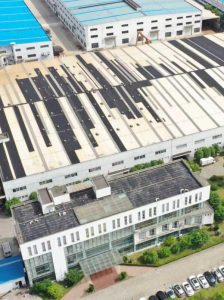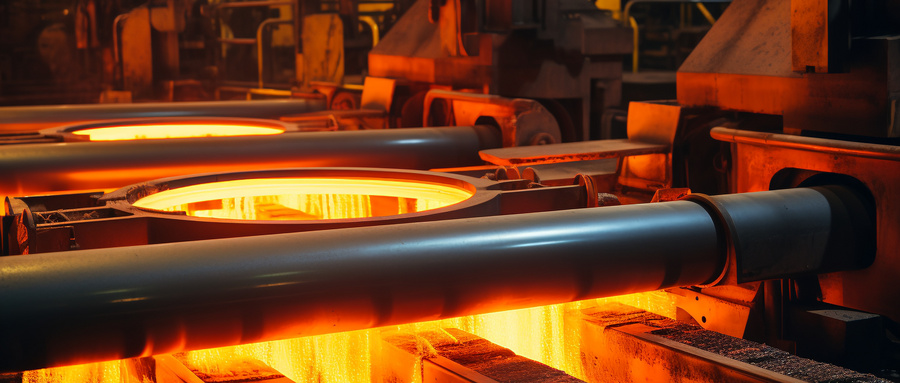
Steel has been one of the symbols of human civilization since ancient times. From ancient weapons to modern architecture, from construction machinery to automobile manufacturing, steel plays a vital role. However, compared with its rugged properties, the optimization and upgrading of the steel supply chain has lagged relatively behind. Today, as global supply chain management becomes a key factor in enterprise competition, the steel supply chain faces major changes and upgrading opportunities.
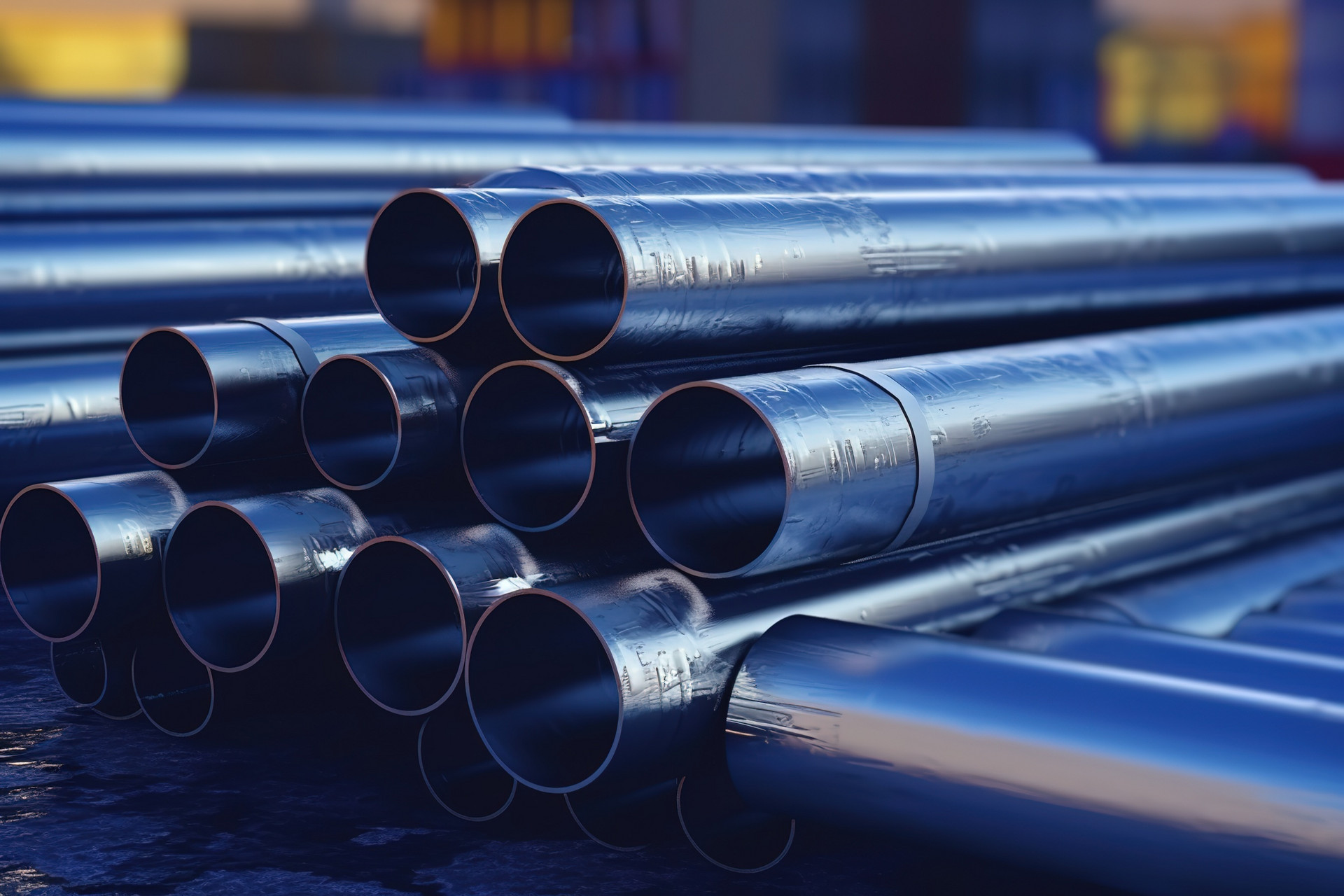
Iron and Steel Road
The enduring beauty of steel
Steel has been a pillar of industrial society since ancient times and is one of the key materials in building the modern world. Its toughness and plasticity make it the material of choice in many fields, including construction, manufacturing and transportation. Whether in the steel structure of skyscrapers or the body of automobiles, steel holds an irreplaceable position in every industry thanks to its excellent performance.
The importance of the steel supply chain
However, such wide use of steel depends on a large and complex supply chain system. This chain begins with the procurement of raw materials — ore mining, steelmaking and rolling — then continues through processing and manufacturing, and finally reaches the end user. Every link must be efficient and coordinated to deliver high-quality steel to customers on time.
Supply Chain Challenges
Complexity and vulnerability
The steel supply chain is complex because it involves many different links and stakeholders. From the mine to the manufacturing plant, then to the distributor and the end user, each link carries its own processes and requirements. This complexity often leads to information asymmetries, collaboration difficulties and a lack of supply chain visibility.
At the same time, steel supply chains are vulnerable. Natural disasters, political unrest and international trade disputes can all disrupt the chain and seriously affect steel supply. For example, the COVID-19 pandemic exposed the fragility of global supply chains and dealt a huge blow to the steel industry.
Supply Chain Optimization and Upgrading
Digital revolution

Over the past few years, digital technologies have become a key tool for improving supply chain efficiency. The Internet of Things, big data analytics and artificial intelligence are now widely used in the steel supply chain. They provide real-time data and visualization, helping companies monitor and manage each link. For example, sensors and IoT devices can track parameters such as temperature and humidity while raw materials are in transit, ensuring their quality. Big data analysis helps enterprises optimize inventory management and reduce inventory costs. AI can predict demand, so companies can make production and purchasing decisions in advance and reduce delays.
Case share: A steel manufacturer employs advanced digital technologies, including IoT sensors and big data analytics, to achieve real-time visualization of its supply chain. This helps them better monitor raw material quality, optimize inventory management and forecast demand — improving supply chain efficiency and reducing costs.
Intelligent logistics
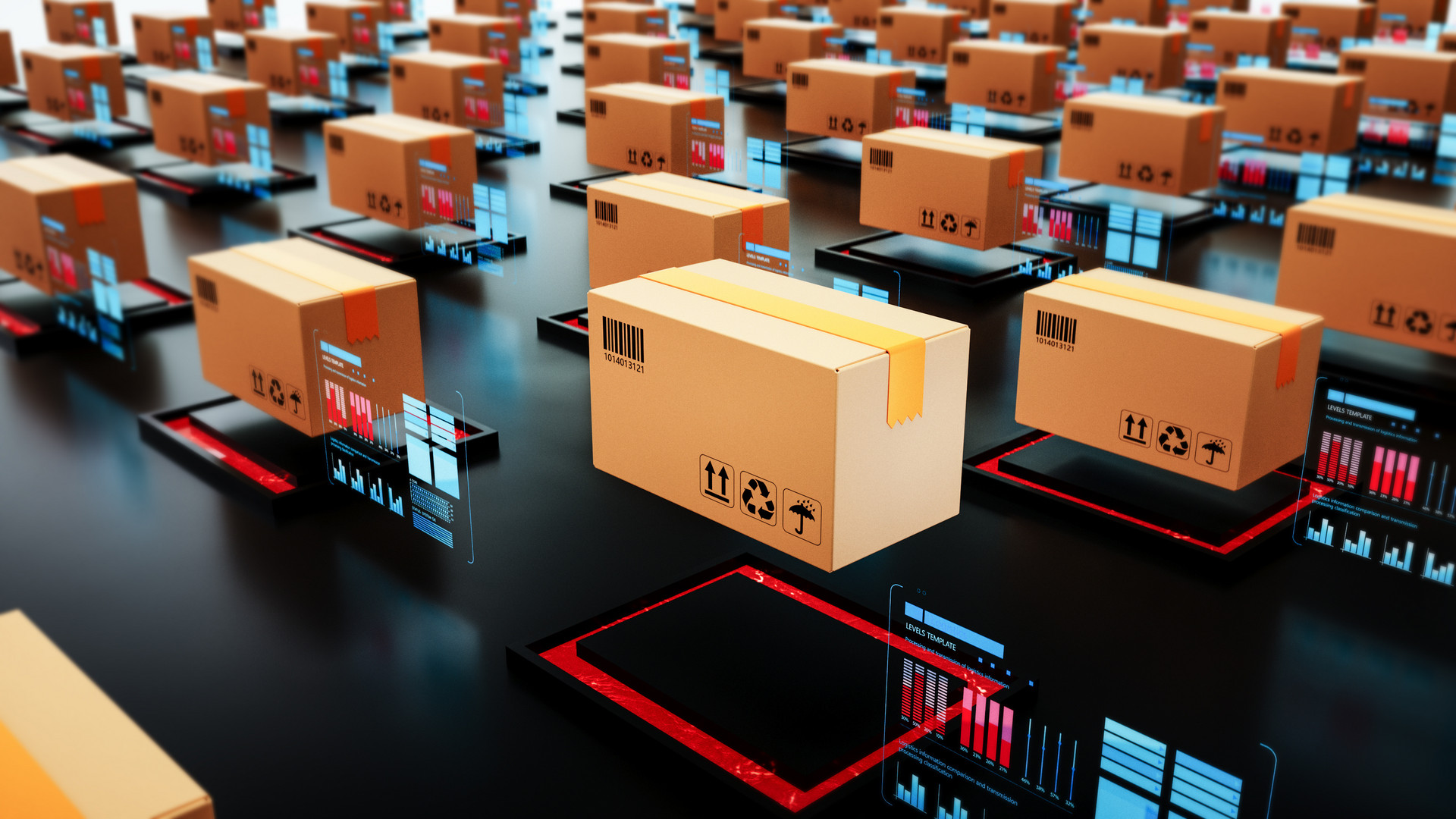
Logistics is one of the key links of the supply chain — and an important area for optimization. Intelligent logistics systems use advanced technologies to improve the transportation and distribution of goods, increasing efficiency and reducing costs. For example, automated equipment such as automated stackers and driverless trucks can speed up the loading and unloading of goods while cutting labor costs. The intelligent logistics system can also monitor the location and status of goods in real time, ensuring timely delivery.
Case share: A logistics company introduced automated equipment and driverless trucks to speed up the loading, unloading and transportation of steel. This not only improved logistics efficiency but also reduced labor costs and the risk of traffic accidents.
Sustainable development

Sustainable development has become an important trend in global supply chain management. In the steel supply chain, sustainability goals include reducing carbon emissions, cutting resource waste and improving waste recovery. To achieve these goals, some steelmakers have taken a series of measures: using greener production processes, adopting clean energy and improving waste management. These steps not only mitigate adverse environmental impacts but also meet the growing demands of consumers and governments for sustainability.
Case share: A steel manufacturer improved its production process, adopted more environmentally friendly production methods and reduced carbon emissions. At the same time, it invested in recycling and reusing waste, cutting the amount of waste produced. This not only helps the environment but also enhances the company’s sustainability image and attracts more customers.
Collaboration and partnership
The optimization and upgrading of the supply chain also requires collaboration between different links. Raw material suppliers, manufacturers, distributors and logistics companies must all work closely together — sharing information and solving problems jointly. In addition, long-term partnerships contribute to the stability and sustainability of the supply chain. Some companies have formed strategic partnerships with suppliers and distributors, working together to increase efficiency, reduce costs and improve sustainability.
The Road Ahead
In the future, the optimization and upgrading of the steel supply chain will remain an important topic. Key directions include wider application of digital technologies, greater emphasis on sustainability, and the adoption of blockchain technology.
The optimization and upgrading of the steel supply chain is a challenging but opportunity-filled task. By applying new technologies, improving management methods and focusing on sustainability, we can build a stronger, more reliable and more sustainable steel supply chain. This will help meet the growing global demand for steel, drive the development of many industries, and lay a solid foundation for sustainable development. From both an industrial and an environmental perspective, it is a necessary move toward a greener, more efficient and more sustainable future. The path to excellence in the steel supply chain is now opening — creating a more prosperous and sustainable future for our society and our planet.