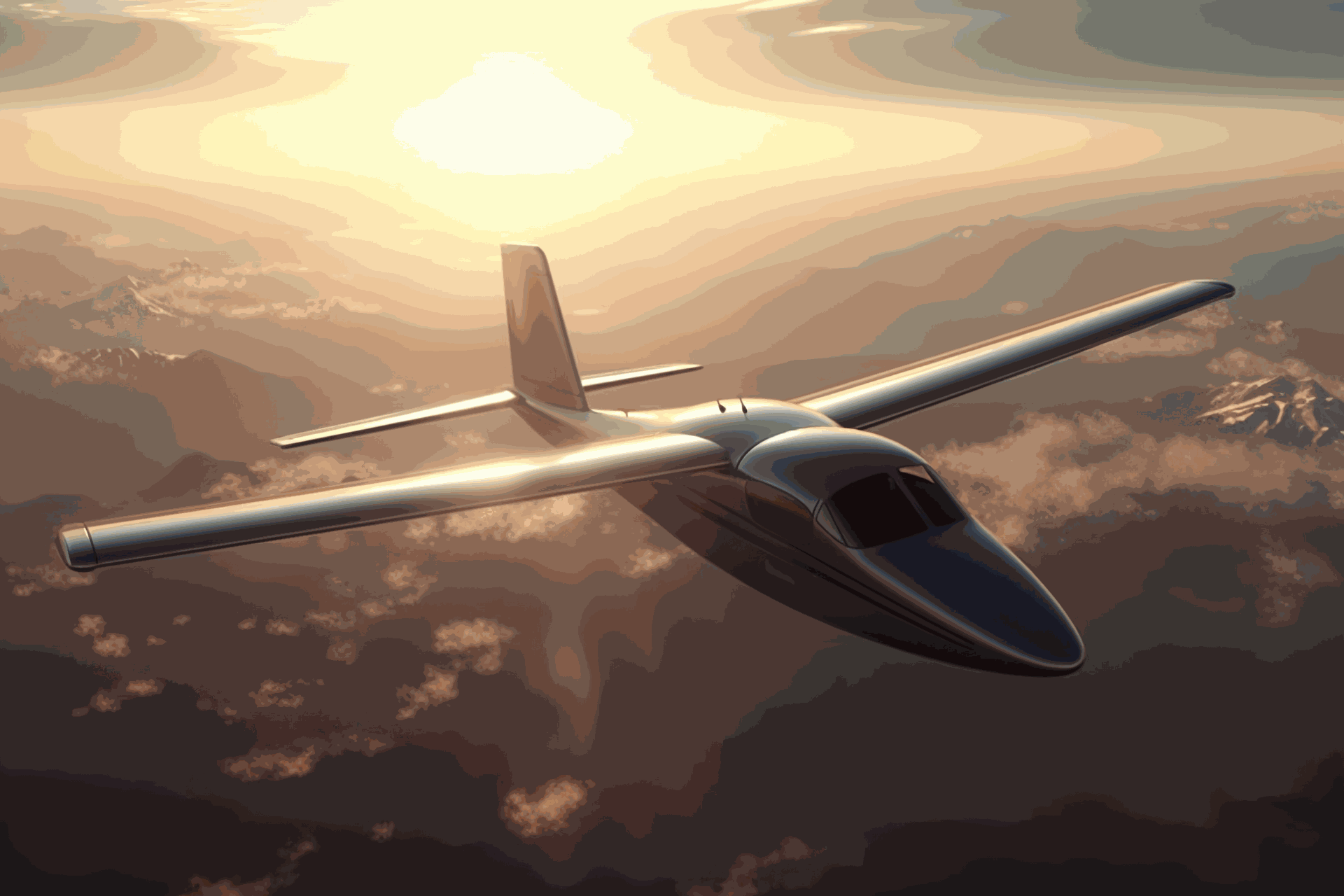
The future aviation industry will face a revolutionary change – the era of electric aircraft is coming! Have you ever imagined flying an electric aircraft with zero emission, low noise and high efficiency, soaring in the blue sky, feeling the combination of freedom and environmental protection? The success of electric vehicles guides the future direction of the aviation industry. Gradually, electric aircraft is becoming the next home of the aviation industry.
The Green Revolution Sparked By Electric Vehicles
 Figure 1: Electric Vehicles
The electric vehicle industry has experienced tremendous growth over the past few years. As environmental protection awareness rises and our reliance on petroleum declines, people’s demand for clean energy vehicles continues to increase. Moreover, electric vehicles feature zero emission and low energy consumption. They have become a popular choice for people and driven the green revolution across the entire transportation industry.
AISI | ASTMA-725 | JIS C-2553 | GB / T2521-96 |
| M4-0.27 | 27H076 | 27G130 | 27Q130 |
| M3-0.27 | – | 27G120 | 27Q120 |
| M0H-0.27 | – | 27P100 | 27QG100 |
| M5-0.3 | 30H083 | 30G140 | 30Q140 |
| M3-0.3 | – | 30G130 | 30QG130 |
| M2H-0.3 | – | 30G120 | 30QG120 |
| M1H-0.3 | – | 30P110 | 30QG110 |
| M6-0.35 | 35H094 | 35G155 | 35Q155 |
| M5-0.35 | – | 35G145 | 35Q145 |
Figure 3: Oriented Electrical Steel Grades
GB/T 2521 | JIS C-2552 | AISI/ASTM A -667 | EN 10106 |
| 35W230 | 35A230 | – | M235-35A |
| 35W250 | 35A250 | M15 36F145 | M250-35A |
| 35W270 | 35A270 | M19 36F158 | M270-35A |
| 35W300 | – | M27 36F180 | M300-35A |
| 35W360 | 35A360 | – | – |
| 35W440 | 35A440 | – | – |
| 50W250 | – | – | M250-50A |
| 50W270 | 50A270 | – | M270-50A |
| 50W290 | 50A290 | M15 47F168 | M290-50A |
| 50W310 | 50A310 | M19 47F174 | M310-50A |
| 50W330 | – | M27 47F190 | M330-50A |
| 50W350 | 50A350 | – | M350-50A |
| 50W400 | 50A400 | M43 47F230 | M400-50A |
| 50W470 | 50A470 | – | M470-50A |
| 50W600 | 50A700 | – | M600-50A |
Figure 4: Non-electrical Steel Grades
The Rise of Electric Airplanes
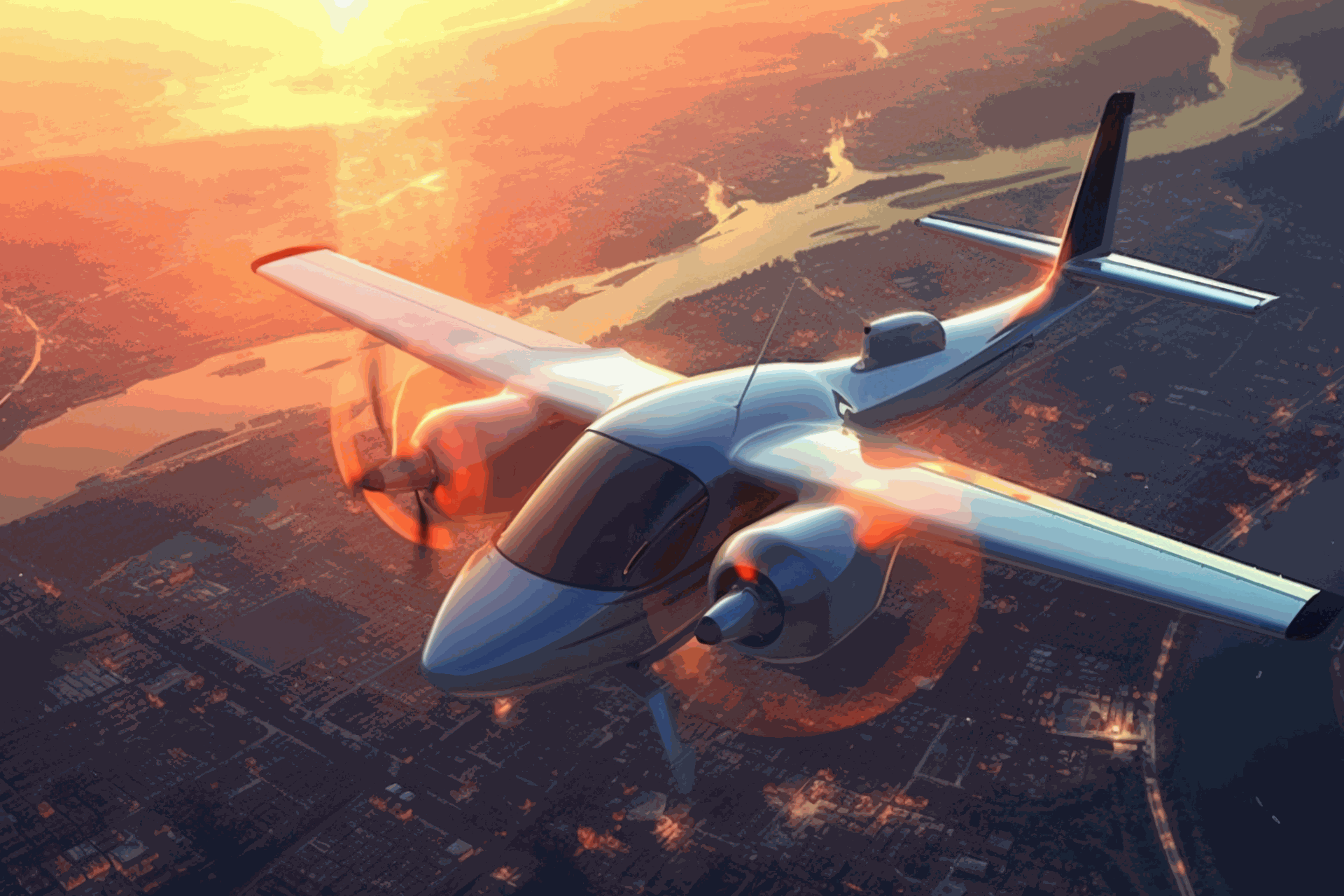 Figure 2: Electric Aircraft
Drawing inspiration from the success of electric vehicles, the aviation industry has also begun to explore the potential of electric aircraft. As a clean and environmentally friendly flying tool, electric aircraft has the following significant advantages:
- Zero emission and low noise: Traditional fuel aircraft produce a lot of exhaust emissions and noise pollution during flight, which has a non-negligible impact on the environment and residents’ health. In contrast, electric aircraft use batteries as energy sources. They completely eliminate exhaust emissions and greatly reduce noise pollution, bringing fresh blue skies to the aviation industry.
- Energy efficiency: Electric aircraft adopt an electric power system. This system converts energy into power more efficiently and achieves a higher energy utilization rate than traditional fuel aircraft. As a result, electric aircraft hold greater potential in range, endurance and overall performance.
- Low maintenance cost: The power system of electric aircraft is relatively simple, without fuel systems and complicated mechanical transmission structures. Therefore, the maintenance cost is relatively low. At the same time, since the power system of the electric aircraft has no combustion process, it runs more smoothly. This design reduces mechanical wear and failure rate and further cuts maintenance costs.
The Development Trend of Electric Aircraft
With the increasing maturity of electric vehicle technology and continuous breakthroughs in electric aircraft technology, the development prospects of electric aircraft in the aviation industry are limitless. Here are some development trends for electric aircraft:
- Technological progress: First of all, battery technology, motor technology and aviation material technology keep advancing, so the range and performance of electric aircraft will continue to improve. Advanced battery technology with high energy density can provide longer cruising range for electric aircraft, while high-efficiency motor technology can provide stronger power output. Besides, the application of new aerospace materials can reduce the weight of the aircraft and further improve the performance and efficiency of electric aircraft.
- Infrastructure construction: As electric aircraft develops, related infrastructure construction will also be gradually improved. Electric aircraft need special charging facilities and maintenance guarantee systems to support their normal operation and development. This involves the construction of charging stations, the planning of charging equipment, the layout of maintenance bases, etc. These will become key focus areas for electric aircraft development.
- Regulatory and policy support: Governments and aviation regulators play an important role in the development of electric aircraft. By setting relevant regulations and policies, including the certification and approval procedures for electric aircraft, flight rules and safety standards, authorities can offer strong support and guarantee for the promotion and commercialization of electric aircraft.
- Commercial application: Electric aircraft not only have the advantages of environmental protection and energy efficiency, but also carry strong commercial potential. Fields such as short-haul routes, regional air transport, and commuter traffic are all viable application scenarios. As the technology further matures and market acceptance grows, electric aircraft are expected to become a part of the commercial air transportation landscape.
- Innovation and competition: Competition in the electric aircraft market will drive technological innovation and product improvement. Airlines, manufacturers and start-up companies will compete to launch higher-performance and smarter electric aircraft products to meet the needs of different users. In turn, this will further promote the development of electric aircraft and accelerate their mainstream adoption within the aviation industry.
The arrival of electric aircraft not only means the combination of environmental protection and clean energy, but also marks a brand new revolution for the aviation industry. The emergence of electric aircraft will bring the following important impacts to the aviation industry:
- Environmentally friendly and sustainable: As a zero-emission vehicle, electric aircraft can significantly reduce the aviation industry’s environmental footprint. The exhaust gas and noise emitted by traditional fuel aircraft threaten the environment and human health. On the other hand, the zero-emission and low-noise characteristics of electric aircraft will deliver a cleaner and sustainable future for aviation.
- Energy Efficiency: Electric aircraft are powered by batteries. Compared with the internal combustion engine power system of fuel aircraft, electric aircraft have higher energy efficiency. This means lower energy consumption and longer range, bringing higher efficiency and economy to the aviation industry.
- Reduce operating costs: Traditional fuel aircraft carry high fuel costs. In comparison, electric aircraft consume less energy and help airlines cut operating costs. Furthermore, the maintenance cost of electric aircraft is relatively low. It reduces the need for maintenance of fuel systems and complex machinery and brings higher benefits to airlines.
- Innovative aviation experience: The zero-emission and low-noise characteristics of electric aircraft bring passengers a more comfortable and quiet flight experience. Unlike the vibration and noise of traditional aircraft, electric aircraft fly more smoothly and quietly and provide passengers with a more pleasant travel experience.
- Promoting the development of the aviation industry: The emergence of electric aircraft will bring new development opportunities for the aviation industry. With continuous technological breakthroughs and gradual market acceptance, electric aircraft is expected to open up new aviation markets, such as regional aviation, private flight and air taxi services. This will create new business opportunities for airlines and entrepreneurs and drive innovation across the aviation industry.
Overall, electric aircraft hold huge potential to trigger the next revolution in aviation. With their environmental protection, efficiency and innovation, they bring new possibilities to the aviation industry. As technology advances and the market expands, electric aircraft will gradually become the next home of the aviation industry, creating a greener and sustainable aviation future for us.
The development of electric aircraft requires the joint efforts and support of the whole society. The government can formulate relevant policies and regulations, provide economic incentives and subsidies, and promote the development and commercial application of electric aircraft technology. Airlines can actively invest in and purchase electric aircraft to demonstrate and lead the direction of industry development. Meanwhile, scientific research institutions and manufacturers can strengthen cooperation to promote technological innovation and maturity of electric aircraft.
The era of electric aircraft is coming. It represents the pursuit of clean energy and environmental protection. We can imagine that, in the near future, we will be able to board electric aircraft and travel in a greener and more efficient way. Whether it is business travel, tourism or regional aviation, electric aircraft will bring us a more comfortable, quiet and green air experience.
At the same time, the development of electric aircraft will also drive the development of related industrial chains. Battery technology, motor technology, and aviation material technology will be rapidly advanced, laying a solid foundation for performance improvement and commercial application of electric aircraft. This will bring more job opportunities and economic growth points and help the aviation industry enter a new era of sustainable development.
Therefore, electric aircraft is not only a new mode of transportation, but also the leader of a green revolution. With the characteristics of environmental protection, efficiency and innovation, they will change our understanding of the aviation industry and create a cleaner and sustainable aviation future.
Let us look forward to the take-off of electric aircraft. Let us work together to promote the advancement and commercial application of electric aircraft technology and contribute our strength to the future aviation industry. We believe electric aircraft will not only become the next home of the aviation industry, but also become a model for human beings to pursue environmental protection and innovation. Together, we welcome the arrival of electric aircraft and build a better aviation future!