
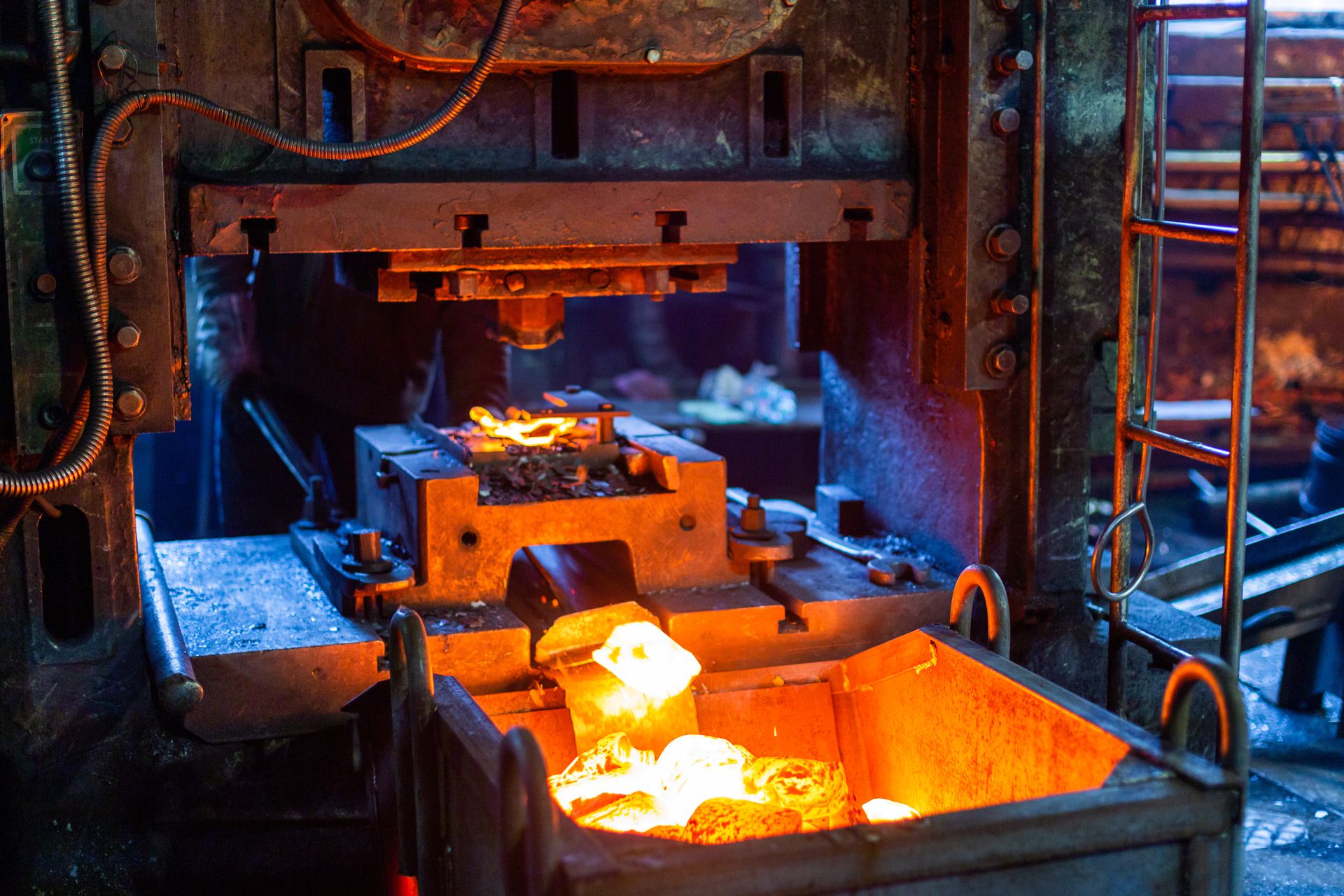
With the continuous development of automobile manufacturing technology, safety and performance requirements for vehicles keep rising. In this process, the application of hot-formed steel materials and their processes has become a key factor. The emergence of hot-formed steel was no accident — it benefited directly from the development of military technology.
Development Progress of Hot-Formed Steel
The raw material of hot-formed steel is the boron steel plate. Boron steel is four times as hard as ordinary steel, and it offers higher strength, toughness and wear resistance. In the early days, hot-formed steel served widely in military fields — tanks, armored vehicles and submarines. Its excellent performance allowed these military vehicles to withstand small-caliber artillery attacks; shells could barely scratch the hull.
In automobile manufacturing, hot-formed steel improves the rigidity and hardness of the chassis and body. This reduces casualties caused by vehicle deformation in traffic accidents. Therefore, the use of thermoformed steel not only represents a higher class of vehicle but also means higher safety standards.
Coated Hot-Formed Steel
Manufacturers coat the surface of coated hot-formed steel with different types of coatings to enhance its properties and corrosion resistance. Here are some common coating types:
- Al-Si coating. Aluminum-silicon coating is a common hot-formed steel coating with excellent corrosion and wear resistance. It protects the surface of the steel and extends its service life.
- New thin Al-Si coating. This newer coating technology uses a thinner layer. It thereby reduces the weight of the steel while maintaining corrosion resistance.
- Zinc base coating. Zinc base coating delivers superior corrosion resistance and is widely used in automotive manufacturing. It effectively prevents the steel from being eroded by air, water and chemicals.
Microalloying of Thermoformed Steels
Microalloying improves the properties of hot-formed steel by adding trace alloying elements. Mo+Nb composite microalloying is a common method: by adding molybdenum (Mo) and niobium (Nb), engineers can improve the strength, toughness and wear resistance of hot-formed steel. This microalloying technology is essential for automotive parts that must withstand high pressures and heavy loads.
Low-Cost Hot-Formed Steel
In automobile manufacturing, cost control is of paramount importance. Therefore, hot-rolled CSP (continuous hot-rolled galvanized) hot-formed steel and endless-rolled ESP (hot-formed sheet) have become representatives of low-cost hot-formed steel. They offer good strength and toughness while meeting cost-control needs, so automakers use them widely.
Characteristics and Advantages of Hot-Formed Automotive Steel
Thermoformed automotive steel has multiple characteristics and advantages that make it ideal for the automotive manufacturing sector:
- High strength and hardness. Thermoformed steel has high strength and hardness, so it copes well with complex road conditions and collision situations. Vehicles can better protect their occupants and reduce injuries in accidents.
- Superior toughness. Despite its high hardness, hot-formed steel also maintains good toughness. This balance allows the vehicle to absorb impact energy in a collision, reducing damage.
- Reduced vehicle weight. Thermoformed steel can cut the weight of a vehicle and improve fuel efficiency. Compared with conventional steel, thermoformed steel can be thinner yet still provide the same strength.
- Good formability. Thermoformed steel forms easily, so manufacturers can produce complex shaped parts that meet the needs of automotive design. This improves both the appearance and the performance of the vehicle.
- Less waste and lower costs. Its high formability reduces waste generation and production costs. In addition, its low-cost materials and processes help cut the total cost of automotive manufacturing.
Development Prospects of Hot-Formed Automotive Steel
In the future, thermoformed automotive steel will continue to play a key role in automotive manufacturing. Here are some trends and prospects:
- Higher strength and lightweighting. Requirements for fuel efficiency and crash safety keep rising. Thermoformed steel will therefore continue to develop toward higher strength and lower weight, helping build more fuel-efficient and environmentally friendly cars.
- Environmental protection and sustainability. Hot-formed steel also has a role to play on environmental issues. Reducing production waste, ensuring material recyclability and cutting the carbon footprint will all be focal points.
- Advanced manufacturing techniques. Thermoformed steel will continue to benefit from advanced manufacturing techniques such as numerical simulation, automated production and machine learning. These technologies will improve the manufacturing process, boosting production efficiency and quality.
- Multi-material combinations. Future automotive designs will combine more materials. Engineers will pair hot-formed steel with aluminum alloys, carbon fiber and other materials to achieve better performance and lighter weight.
- Intelligence and connectivity. The trend toward intelligence and connectivity in the automotive industry will also shape the application of hot-formed steel. Body structures may need to adapt to the needs of autonomous driving technology and electric vehicles.
In summary, the application of thermoformed automotive steel in automotive manufacturing is developing rapidly, providing vehicles with higher safety, performance and environmental protection. As technology continues to advance, thermoformed steel will keep driving the automotive manufacturing industry toward a safer, more efficient and more environmentally friendly direction. This development not only meets consumers’ requirements for cars but also serves the needs of environmental protection and sustainability — injecting more vitality into the future automotive industry.



