The impact of geopolitical tensions in the Middle East continues to spill over, with force majeure risks rapidly spreading across the aluminum supply chain. This has triggered growing concerns about a potential global aluminum supply crisis, pushing international aluminum futures prices sharply higher.
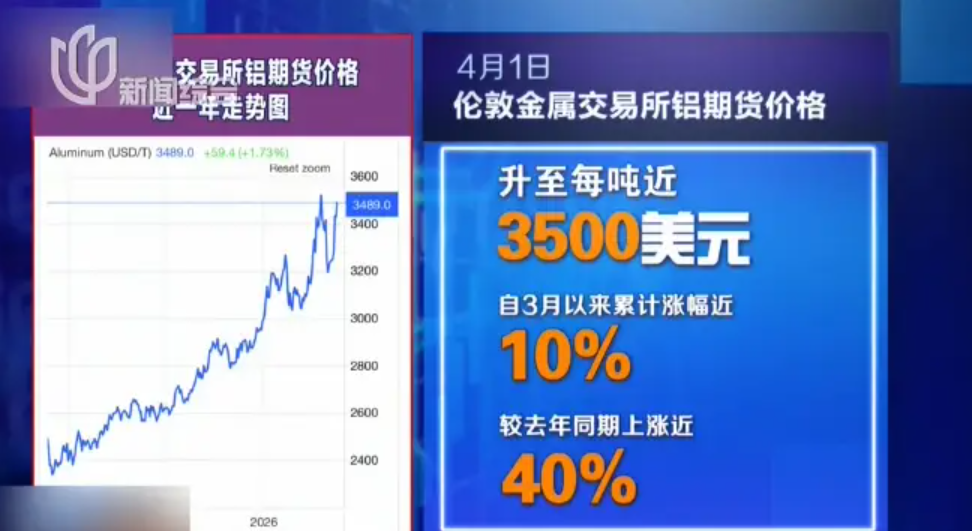
On April 1, aluminum futures on the London Metal Exchange (LME) surged to nearly $3,500 per ton. Prices have risen nearly 10% since March and are up close to 40% compared to the same period last year.
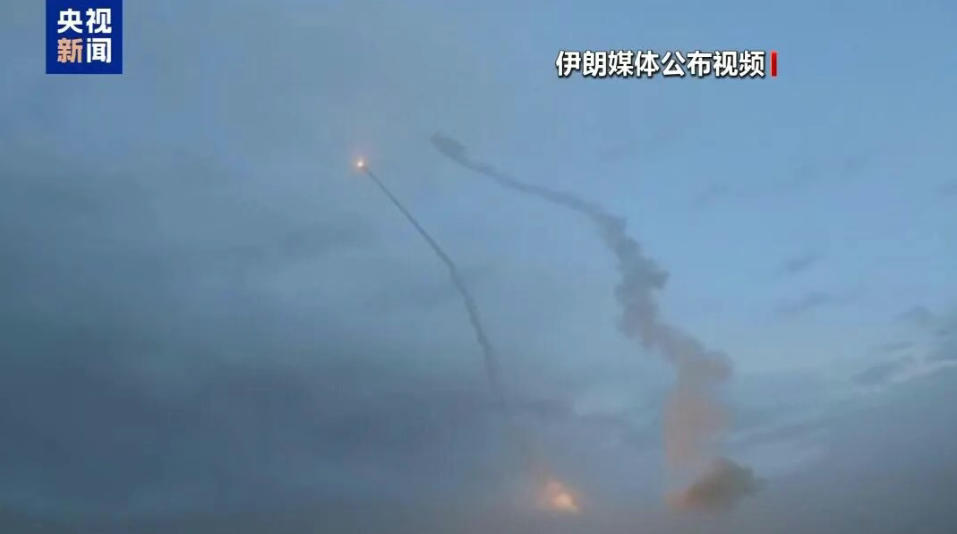
The Middle East accounts for roughly 9% of global aluminum supply. Analysts point out that the market is currently facing multiple disruptions. First, shipping through the Strait of Hormuz has been affected, making it difficult for aluminum to be transported. Second, several aluminum production facilities in the region have been damaged or forced to halt operations. Third, production in other parts of the world remains constrained, while inventories are already low—leaving the market with almost no buffer.
These disruptions are expected to ripple downstream, with impacts becoming more visible over the coming months. High-cost aluminum alloys—widely used in aerospace, automotive manufacturing, and construction—are likely to face the most severe shortages. The Middle East has long been a key supplier of these premium materials, particularly to Europe and the United States.

According to Rebecca Patterson, Senior Fellow at the Council on Foreign Relations, nearly a quarter of global aluminum alloys are transported through the Strait of Hormuz. This represents a major supply chain risk for industries such as automotive manufacturing, as well as for products like beverage cans and aircraft structures.
Analysts at Goldman Sachs recently projected a global aluminum supply deficit of approximately 900,000 tons in the second quarter of this year. This shortfall is expected to further deplete inventories, reducing global aluminum stock coverage to just 45 days.
At first glance, this may look like a typical price rally. In reality, it reflects a deeper issue: a structural disruption in the global aluminum supply chain.
1. Short-Term Dynamics: Supply Disruptions Driving Prices
This surge is not driven by speculation—it is rooted in real supply constraints.
Shipping disruptions are the most immediate trigger. The Strait of Hormuz is a critical global shipping route. When access is restricted, even available aluminum cannot reach the market efficiently. This is not a production issue—it is a logistics bottleneck, but the impact on pricing is just as significant.
At the same time, production losses in the Middle East are tightening supply further. As a region responsible for a meaningful share of global output—especially in high-end aluminum alloys—any disruption translates directly into reduced availability.
Low inventory levels amplify the situation. With only around 45 days of available stock, the market has little capacity to absorb shocks. Any disruption is quickly reflected in prices.
2. Mid-Term Outlook: High-End Alloys at Greater Risk
The real pressure point lies in high-value aluminum alloys.
Industries such as automotive, aerospace, and construction rely heavily on advanced aluminum grades like 5xxx and 6xxx series alloys. These materials require specific production capabilities and are often sourced from concentrated regions—such as the Middle East.
As supply tightens, downstream manufacturers are likely to face:
- Rising material costs
- Longer lead times
- Limited substitution options
This suggests that supply constraints may gradually cascade from upstream producers to end-use industries in the coming months.
3. Industry Shift: From Cost Focus to Supply Security
Perhaps the most important takeaway is the shift in procurement strategy.
Traditionally, buyers focused on securing the lowest price.
Now, the priority is shifting toward ensuring reliable supply.
Key changes include:
Diversified sourcing strategies
Companies are increasingly avoiding reliance on a single region or supplier.
Smaller, more flexible order volumes
In a volatile market, large-volume commitments carry higher risks. Smaller, phased purchasing offers greater flexibility.
Delivery reliability as a competitive edge
The ability to supply consistently is becoming more valuable than offering the lowest price.
4. A Bigger Signal: Entering an Era of Supply Chain Uncertainty
From a broader perspective, this event highlights a critical shift:
👉 The aluminum market is moving from a “stable supply era” to one defined by volatility and uncertainty.
Going forward, we can expect:
- More frequent price fluctuations
- Greater regional supply imbalances
- Increased pressure on supply chain management
In this environment, relying solely on cost-driven procurement is no longer sufficient.
In a market shaped by rising uncertainty and tightening supply, choosing a partner that offers stability, flexibility, and responsiveness is more important than ever.
If you are looking for an aluminum supplier that supports small-batch customization, flexible delivery, and reliable supply, feel free to reach out to MOOPEC. We are here to help you navigate uncertainty with confidence.