In 2026, the global aluminum market is experiencing a structural transformation, with a sharp contrast between high domestic aluminum inventory in China and a severe global supply gap. For aluminum industry participants—including processors, traders, and buyers—the core concerns are: How long will the aluminum inventory destocking cycle take? And when is the best time to stock up on aluminum sheets and coils? This article combines data from CSC Financial, LME inventory statistics, and customs data to analyze the aluminum inventory destocking logic, predict the optimal stock-up window, and provide authoritative insights for global aluminum buyers.
1. Current Aluminum Inventory Situation: High Pressure & Structural Divergence
As of mid-May 2026, China’s domestic primary aluminum social inventory stands at approximately 1.4 to 1.5 million tons. Although it has slightly declined from the peak at the end of April, it remains at a high level compared to the same period in the past five years. Inventory backlogs of aluminum ingots, aluminum bars, aluminum sheets, and aluminum coils are obvious, becoming a key factor restricting aluminum price increases.
1.1 Core Reasons for High Inventory
- Saturated Supply Capacity: China’s compliant primary aluminum production capacity has reached the 45 million tons ceiling, with current operating capacity close to full load. Monthly aluminum output remains at a historical high, maintaining strong supply momentum.
- Underperforming Domestic Demand Recovery: Demand for traditional construction aluminum profiles is weak due to lagging recovery in the real estate and infrastructure sectors. Downstream aluminum processing enterprises purchase on demand without concentrated restocking, leading to slow domestic consumption of aluminum materials.
- Global Supply Gap Transmission: Aluminum production in regions such as the Middle East and Mozambique has been suspended, reducing total capacity by over 2.6 million tons. LME aluminum inventory has dropped to a historical low of 358,000 tons, with overseas aluminum prices higher than domestic prices, driving China’s aluminum exports and indirectly exacerbating the temporary domestic inventory backlog.
1.2 Exports: The Core Engine for Inventory Destocking
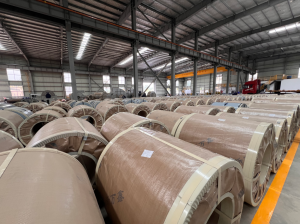
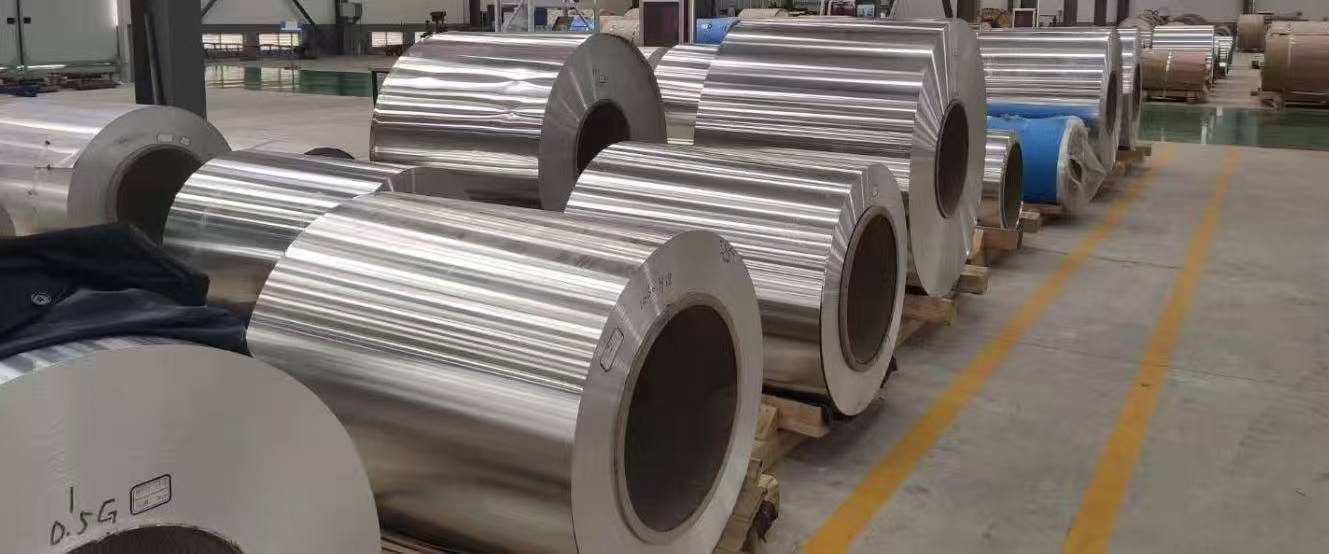
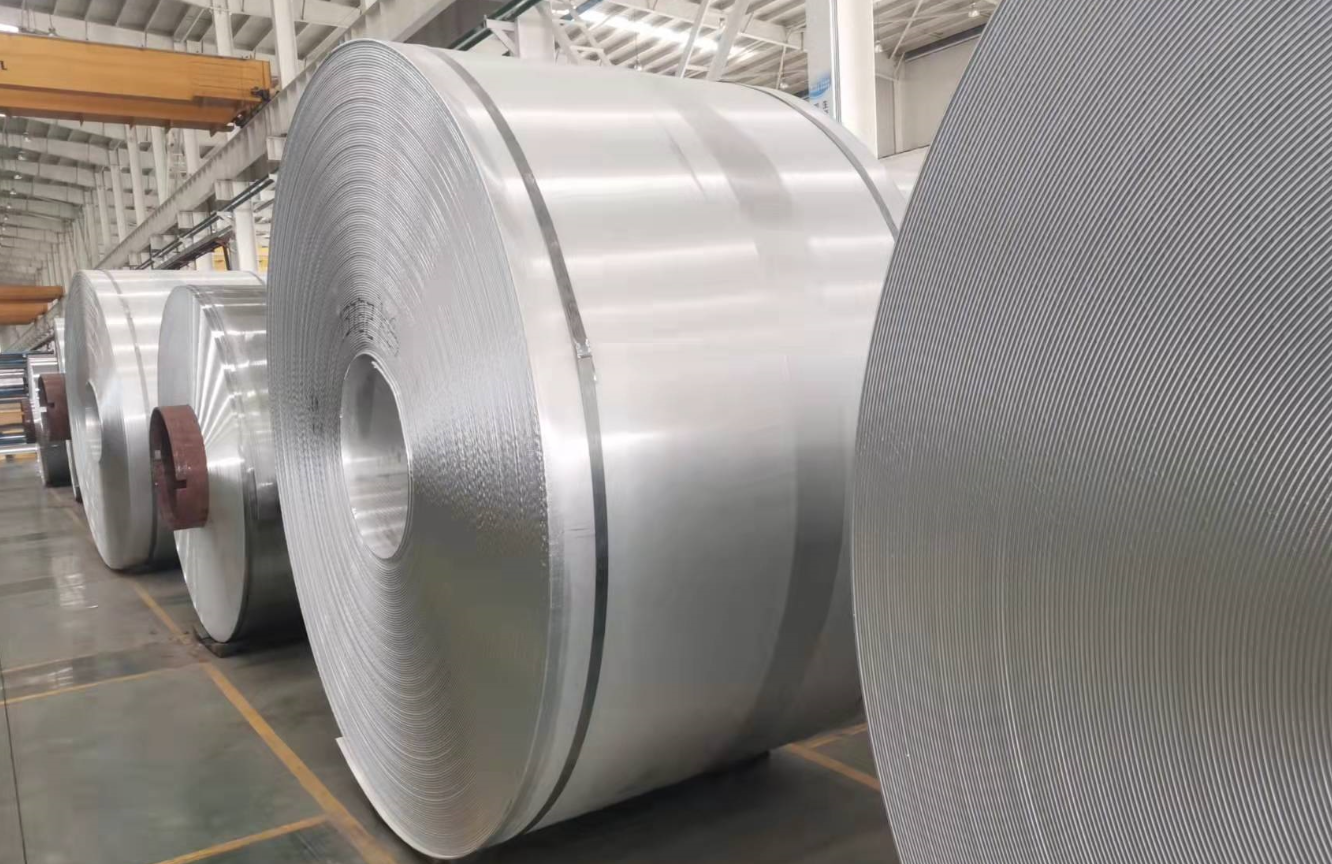
According to customs data analyzed by CSC Financial, China’s exports of unwrought aluminum and aluminum products reached 598,000 tons in April 2026, a year-on-year increase of 15% and a sharp month-on-month increase of 112,400 tons from March. Exports of aluminum sheets and aluminum coils are particularly strong, serving as the core driver for digesting domestic high inventory. Aluminum export orders remain robust in May, with expected export volumes to stay high, providing sustained impetus for inventory destocking.
2. Forecast of Aluminum Inventory Destocking Cycle: Inflection Point in 3-4 Months
Based on the current export growth rate, domestic demand recovery rhythm, and the sustainability of the global supply gap, we comprehensively judge: This round of aluminum inventory destocking cycle will take about 3-4 months, with an inflection point expected in mid-to-late May, and inventory likely to return to a reasonable range in August-September.
2.1 Core Supporting Logic for the Destocking Cycle
- Sustained Export Growth: A monthly export volume of nearly 600,000 tons directly offsets domestic supply pressure. Based on the current export growth rate, about 10%-15% of domestic inventory can be digested each month.
- Long-Term Global Supply Gap: The shutdown of overseas primary aluminum production capacity is irreversible, with LME inventory remaining at a low level. Rigid demand for Chinese aluminum sheets, aluminum coils, and aluminum profiles overseas will continue until the end of the year, ensuring strong export momentum.
- Gradual Recovery of Domestic Demand: With the explosive growth of demand in emerging tracks such as new energy vehicles, photovoltaics, and AI data centers, demand for high-end aluminum materials—including photovoltaic aluminum frames, new energy vehicle aluminum bodies, and computing liquid cooling aluminum materials—is growing rapidly, gradually offsetting the gap from weak traditional domestic demand and accelerating inventory consumption.
2.2 Key Time Node Reminder
- Mid-to-late May: Concentration of export order fulfillment, with the first obvious decline in inventory and the establishment of inflection point signals.
- June-July: Accelerated inventory destocking, with processed aluminum materials such as aluminum sheets and aluminum coils leading the decline, and aluminum ingot inventory falling simultaneously.
- August-September: Inventory returns to the average range of the past five years, forming a tight balance between supply and demand, laying the foundation for aluminum price increases.
3. The Best Time to Stock Up on Aluminum: Golden Window for Batch Purchasing in May-June 2026
In response to the industry’s hot topic of “when is the best time to stock up on aluminum”, we clearly conclude: May-June 2026 is the golden window for batch aluminum stock-up. The current strategy of buying on dips and small-batch, phased restocking is optimal, avoiding one-time heavy positions to mitigate price fluctuation risks.
3.1 Three Core Advantages of Current Stock-Up
- Low Price Range: High domestic inventory suppresses aluminum price increases. Current prices of aluminum sheets and aluminum coils are at a phased low, with low stock-up costs and significant room for price increases after inventory destocking.
- Export Supports Price Floor: The sustained global supply gap and strong aluminum exports limit the downside space of aluminum prices, reducing the risk of significant losses and ensuring high stock-up safety.
- Upcoming Peak Season Demand: The traditional downstream peak season will arrive in August-September, coupled with the explosive growth of demand in emerging tracks. Aluminum demand will be concentrated, and stock-up can lock in supply in advance to meet peak season orders.
3.2 Stock-Up Strategy Recommendations: Phased Layout, Focus on Core Categories
- Purchase Rhythm: Split into 3-4 batches for restocking, one batch per month, avoiding one-time heavy positions to balance cost and risk, aligning with the inventory destocking rhythm.
- Core Categories: Focus on stocking aluminum sheets and aluminum coils (core export categories with stable demand), photovoltaic aluminum profiles, and new energy vehicle aluminum materials (rigid demand in emerging tracks with large premium space).
- Categories to Avoid: Ordinary construction aluminum profiles (weak domestic demand, slow destocking). For global buyers seeking stable aluminum sheets and coils supply, flexible small-batch customization, and professional market guidance, Moopec is your reliable partner to seize the 2026 aluminum market opportunities.