
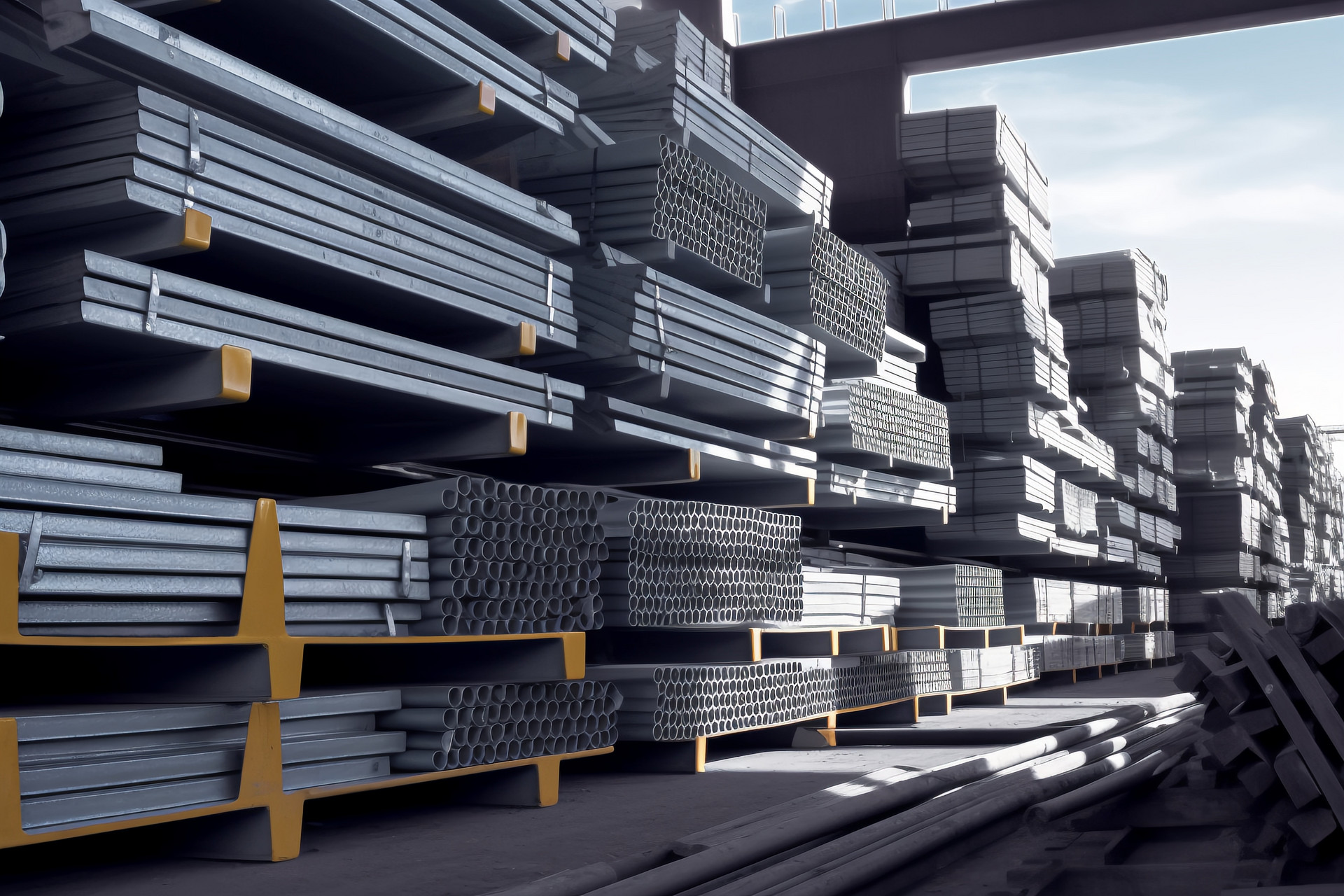
In recent years, the EPS hot-rolled pickling coil has been widely used as a cost-effective material in the automobile, home appliance, machinery and light-industry hardware sectors. Industries choose it for its excellent performance and multiple advantages. This article dives into the production process of the hot-rolled pickling coil, its main applications in the automotive industry, and the role of EPS (Eco Pickled Surface) descaling technology.
Production Technology of Hot-Rolled Pickling Coil
To understand the application advantages of hot-rolled pickling coils, we first need to understand the production process. Manufacturers usually prepare them in two main steps.
Hot rolling process
First, the raw billet is heated to high temperatures — usually above 1100°C. At high temperatures, the billet deforms plastically with ease. A series of rolling machinery then presses it into the desired shape and size. This stage adjusts the shape of the steel and improves its mechanical properties.
Pickling process
The pickling process is one of the key steps in preparing hot-rolled pickling coils. The hot-rolled coil is soaked in an acidic solution — usually dilute hydrochloric acid. The main purpose of pickling is to remove oxide layers, rust spots and other contaminants from the steel surface. This step not only improves surface quality but also fine-tunes the chemical composition of the steel to meet specific application requirements. (For background on the metal pickling process, see Wikipedia: Pickling (metal).)
Main Applications of Hot-Rolled Pickling Coil in the Automotive Industry
Hot-rolled pickling coil serves a wide range of uses in automobile manufacturing, reflected in the following aspects.
Replacing cold-rolled coil
Hot-rolled pickling coil can often replace cold-rolled coil in automobile manufacturing, saving costs for downstream steel enterprises. Its high strength and excellent performance make it ideal for body structures, safety components and mechanical parts. By using hot-rolled pickling coils, automakers produce vehicles more economically without compromising quality.
Enhanced surface quality
Compared with ordinary hot-rolled plate, hot-rolled pickling coil removes the surface oxide scale, which improves the surface quality of the steel. This facilitates subsequent processes such as welding, oiling and painting. It also improves the corrosion resistance of the body structure and prolongs the service life of the car.
Improved dimensional accuracy
Flatness-treated hot-rolled pickling coil changes the plate shape to a certain extent. This reduces roughness deviation, improves surface finish and enhances appearance — critical for manufacturing high-precision automotive parts and ensuring visual consistency.
Application Advantages of EPS (Eco Pickled Surface)
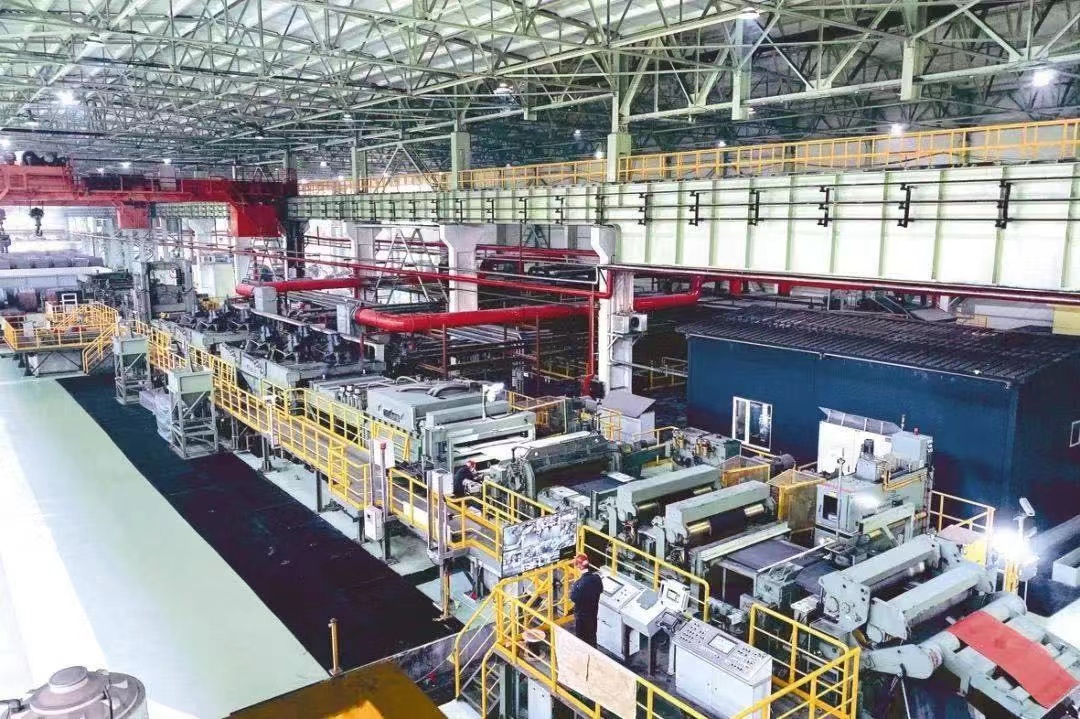
In the steel industry, EPS stands for Eco Pickled Surface — an advanced dry descaling technology developed as an alternative to traditional acid pickling (see World Steel Association for broader industry context). When combined with hot-rolled pickling production, EPS brings several advantages:
- Environmentally friendly descaling. EPS removes oxide scale mechanically, without acid. This eliminates acid consumption and acid waste water, sharply reducing environmental impact.
- Better surface quality. The EPS process leaves a cleaner, brighter surface than conventional pickling, which benefits downstream painting and coating.
- Lower operating cost. Without the need for acid regeneration plants, producers save on chemicals, energy and waste treatment.
- Material versatility. EPS handles a wide range of steel grades, including high-strength steels that are difficult to pickle conventionally.
Combined, these advantages help the hot-rolled pickling coil meet the safety, environmental and sustainability requirements of the modern automotive industry.
A Typical Hot-Rolled Pickling Production Line
To better understand the production of hot-rolled pickling coil, let’s walk through the main steps of a typical line.
Hot rolling
In a typical hot-rolling pickling line, the raw billet is first heated above 1100°C. This high-temperature treatment makes the billet easier to deform plastically. Rolling machinery then presses it into the desired shape and size to meet the requirements of different applications.
Pickling
The pickling process follows hot rolling. The hot-rolled coil is soaked in dilute hydrochloric acid, which removes surface oxide layers, rust spots and other contaminants. The result is a cleaner surface and a purer chemical composition.
Surface treatment
Some production lines add extra surface treatment steps, such as mechanical removal of surface impurities and descaling. These steps further improve the appearance, finish and flatness of the steel.
EPS in the Descaling of Hot-Rolled Surfaces
Beyond acid pickling, EPS plays a key role in the production of hot-rolled pickling coils — especially in descaling hot-rolled surfaces. Descaling removes oxide layers, rust spots and other contaminants from the coil surface. This step is essential to surface quality, particularly in automotive manufacturing, where appearance and finish demand is strict.
The Eco Pickled Surface technology is ideal for this task. EPS units descale the hot-rolled coil mechanically — through repeated bending and shot blasting — without any acid. This improves surface flatness and reduces defects such as scratches and pits, raising the appearance quality of the steel.
Conclusion
Thanks to its excellent performance and versatile characteristics, hot-rolled pickling coil has become one of the key materials in automobile manufacturing. Its applications in the automotive industry — together with EPS descaling technology — will play a vital role in the future of car making. Through rational production processes, surface treatment and EPS application, hot-rolled pickling coil can meet the industry’s growing needs, delivering safer, lighter and more environmentally friendly vehicles. As the automotive industry keeps exploring innovations, the combination of hot-rolled pickling coil and EPS technology will inject new impetus into the cars of the future.



