
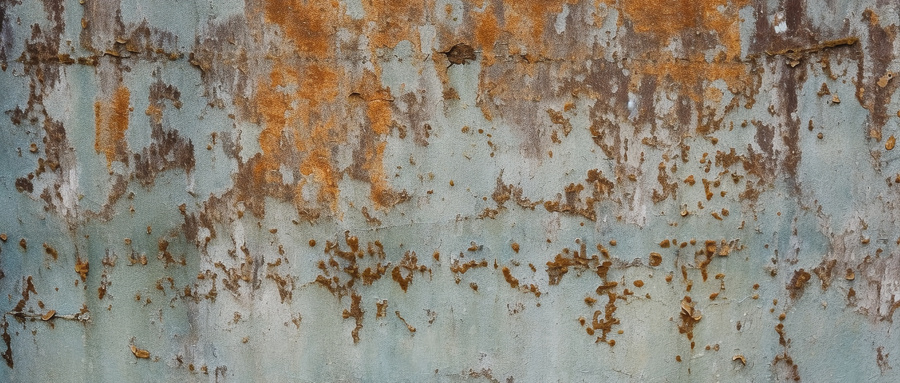
Hot-rolled steel plays a vital role in modern industry. Construction, manufacturing, transportation and many other fields rely on it. However, hot-rolled steel often faces a challenge in production: oxidation defects. These defects can affect the quality, reliability and performance of the steel. To better understand and solve this problem, this article explores the causes of oxidation defects and introduces key technical measures for producing high-quality hot-rolled steel.
The Oxidation Principle of Hot-Rolled Steel
The basic concept
To understand the oxidation defects of hot-rolled steel, we first need to understand the oxidation principle. Oxidation is the process by which metals react with oxygen to form oxides. For steel, this process becomes particularly pronounced at high temperatures. During hot rolling, the billet is heated to high temperatures and reacts chemically with the surrounding oxygen, forming an oxide layer. This layer usually takes the form of iron oxide (Fe₂O₃) — commonly known as “rust.”
Factors that drive oxidation
Several factors affect the oxidation of hot-rolled steel:
- Temperature. High temperatures accelerate the oxidation reaction. Metal grains absorb oxygen more easily when hot, which speeds up oxidation. The high-temperature environment during hot rolling is therefore one of the main causes of oxidation.
- Material composition. The composition of the steel also significantly influences the reaction. Steel with a high carbon content oxidizes more easily, because carbon combines with oxygen to form carbon oxides. In addition, the content and proportion of other alloying elements also shape the oxidation characteristics.
- Time. The longer the steel stays at high temperature, the deeper and thicker the oxide layer grows. Treatment time is therefore another important factor in the degree of oxidation.
Oxidation Defects of Hot-Rolled Steel
Once we understand the oxidation principle, we can look at the defects more closely. These defects fall into four broad categories:
- Inclusion defects. Inclusions or impurities in the raw material react with oxygen at high temperatures. They may form holes, bubbles and uneven inclusions in the steel, reducing its quality.
- Temperature defects. These relate to the time and conditions of the steel’s exposure to high temperatures. The formation and penetration of the oxide layer can impair the toughness of the steel, leading to brittle fracture, uneven grain growth and other problems.
- Scale defects. During hot rolling, a scale-like oxide usually forms on the surface. This scale may fall off during subsequent treatment, leaving uneven surfaces — or even holes.
- Roll defects. The oxide layer on the roll surface can transfer to the steel surface during contact, causing holes, scratches and other defects that lower the surface quality.
Applications of Oxide Control Technology
To solve the oxidation defect problem, the steel industry has adopted a variety of technical measures:
- Sand-free steel. This steel features improved oxide layer control. By optimizing the smelting process and reducing non-metallic inclusions and impurities, producers obtain a steel with low oxidation properties. It suffers less surface oxidation and carries a lower risk of penetrative oxidation, which improves product quality.
- Easy-pickling steel. This special steel sheds its surface oxide layer through the pickling process. Pickling removes oxides effectively, leaving the surface flatter and cleaner and reducing scale defects. The technology also improves the steel’s workability and corrosion resistance.
- Controlling the oxidation environment. Producers can reduce the risk of oxidation defects by controlling the atmosphere during production. A common approach limits oxygen exposure — for example, by creating a reducing atmosphere inside the furnace or by using nitrogen or other inert gases. These methods slow the oxidation rate and reduce the formation of oxide layers.
- Surface treatment. For steel that already carries an oxide layer, surface treatment can repair or reduce the defects. Pickling, belt grinding and polishing remove oxide and scale, improving the surface quality.
- Material selection. Choosing the right steel grade for a specific application is another important way to control oxidation defects. Certain grades inherently resist oxidation better, which makes them more suitable for high-temperature or corrosive environments.
Conclusion
The oxidation defect of hot-rolled steel deserves serious attention, because it directly affects the quality and properties of the steel. Understanding the oxidation principle and the causes of defects is the first step toward solving the problem. By adopting advanced oxide layer control technologies and careful material selection, the steel manufacturing industry keeps improving product quality, raising production efficiency and meeting market demand. As technology continues to advance, we can expect more high-quality and reliable hot-rolled steels to play an important role in future applications.



