
Domestic Steel Industry Updates
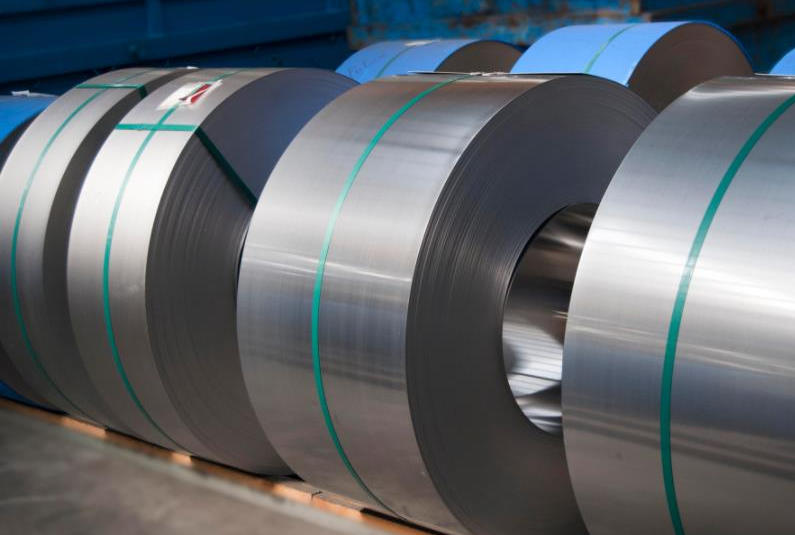
Xinyu Iron and Steel Sets New Standard with Ultra-Thin Container Coils
Xinyu Iron and Steel Group’s Silicon Steel Sheet Business Unit has set a new benchmark. In October 2025, the unit produced container coils just 1.46mm thick. It achieved this result on the company’s 1580 hot rolling line, which beats its previous minimum thickness. The new specification expands the company’s product range. It also reflects its commitment to improving product quality.
China’s Steel Exports Soar to Record Levels in September
Recent data from the General Administration of Customs shows a record month. China’s steel exports reached 10.465 million tons in September 2025. That marks a 10% increase from August and a 3% year-on-year gain. Over the first three quarters of 2025, exports totaled 87.955 million tons. This figure represents a 9.2% rise compared to the same period in 2024. As a result, September ranks among the strongest months of the year.
Color-Coated Steel Prices Drop Amid Market Adjustments
Over the past two months, the price of color-coated steel has fallen noticeably. The decline reached 200 yuan per ton. Meanwhile, hot-rolled coil prices have fluctuated around 3,300 yuan, and they dipped to a two-month low of 3,252 yuan. In response, Shougang Changzhi Iron and Steel cut factory prices for construction steel by 30 yuan per ton. The reduction covers coiled rebar and deformed steel bars, and it aligns with current market conditions.
Global Steel Industry Developments
BDI Index and European Shipping Rates Reflect Positive Trends
The Baltic Dry Index (BDI) measures global shipping costs for dry bulk commodities. It has been rising recently. This trend points to higher demand for raw materials such as iron ore, coal, and steel. At the same time, vessel availability is tightening on key trade routes. European container shipping rates have also risen steadily. Stronger export demand from Asia and seasonal congestion ahead of the year-end holidays drive that increase. Analysts predict these higher rates could persist through Q4 2025, because container demand remains strong and port capacity stays limited.
For international steel buyers, this signals that freight and logistics costs may stay elevated in the near term. Therefore, we at MOOPEC recommend a proactive approach. Our global clients should manage shipment schedules carefully and secure competitive freight rates. Both steps help mitigate the impact of these market shifts.
China’s Mineral Resources Group and BHP Forge Landmark RMB Settlement
The global commodities market has seen a major development. China Mineral Resources Group and BHP Billiton have agreed to settle iron ore spot trades in Chinese Renminbi (RMB). The arrangement starts in Q4 2025. This historic agreement gives China greater pricing power over iron ore. As a result, iron ore prices could fall in the future.
Severe Congestion on Kazakhstan-Russia Freight Corridor
Severe congestion has gripped the transport corridor between Kazakhstan and Russia since mid-September 2025. Thousands of trucks are stuck in a backlog. As of early October, over 5,000 freight trucks were still delayed. This congestion disrupts trade routes and logistics between Central Asia and Russia.
Trump’s 100% Tariff Increase on Chinese Goods Sparks Market Concerns
China recently introduced new export controls. In response, U.S. President Donald Trump announced a retaliatory 100% tariff hike on Chinese goods. The measure takes effect on November 1, 2025. This new tariff adds to existing trade duties. It will affect a wide range of Chinese exports and could trigger significant market volatility, particularly in U.S. stock markets.



