

With the progress of society and the development of science and technology, automobile lightweighting has become an important trend in the global automotive industry. As manufacturers pursue higher fuel efficiency, lower carbon emissions and better vehicle performance, aluminum alloy has emerged as an ideal material. Automakers now use it widely across the industry for its unique features and performance advantages, and it shows great potential for future development.
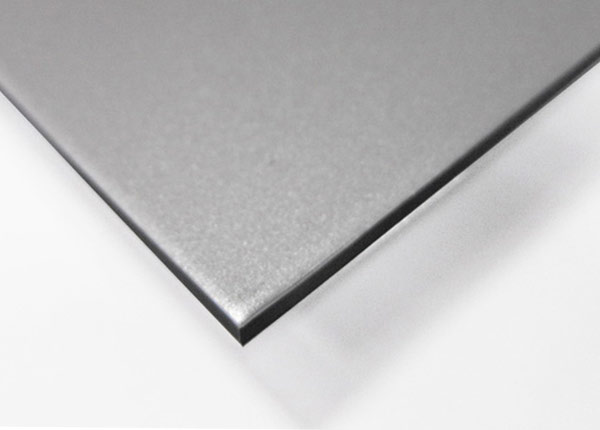
Figure 1: Aluminum alloy plate
Why Aluminum Alloy Works for Lightweighting
Low density, high strength
As a lightweight material, aluminum alloy combines low density with excellent strength. Its density is only about half that of traditional steel, so it can greatly reduce the overall weight of a car. Lightweighting matters enormously to automobiles: it cuts fuel consumption and exhaust emissions while improving dynamic performance, including handling stability. This excellent lightweight performance makes aluminum alloy one of the materials of choice for automobile manufacturers.
Common aluminum alloy grades cross-referenced across international standards:
| JIS | B.S | SAE/AISI | DIN | GB |
| A6061 A6063 | 6061 6063 | 6061 6063 | ALMg1SiCu ALMg0.7Si | LD2 |
| A2011 | 2011 | 2011 | – | 2011 |
| A2024 | 2024 | 2024 | ALCuMg2 ALCu4Mg1 | LY12 |
| 1060 | 1060 | 1060 | AL99.6 | 1060 |
| 1070 | 1070 | 1070 | AL99.7 | 1070 |
| 1100 | 1100 | 1100 | AL99.0Cu | 1100 |
| 6082 | 6082 | 6082 | ALSi1MgMn | 6082 |
| 6060 | 6060 | 6060 | ALMgSi | 6060 |
| 7075 | 7075 | 7075 | ALZN5.5MgCu | 7075 |
| 5252 | 5252 | 5252 | ALMg2.5 | 5252 |
Easy to process, built to last
Aluminum alloy also offers good plasticity and processing properties, which makes it a popular choice for body panel production. Advanced production processes for aluminum alloy body panels can realize complex shapes and meet the design requirements of different models. Compared with a traditional steel body, aluminum alloy body panels resist corrosion better and deliver excellent surface quality, which effectively prolongs the service life of the body. The processing workflow for these panels is also relatively simple, saving both production costs and energy consumption.
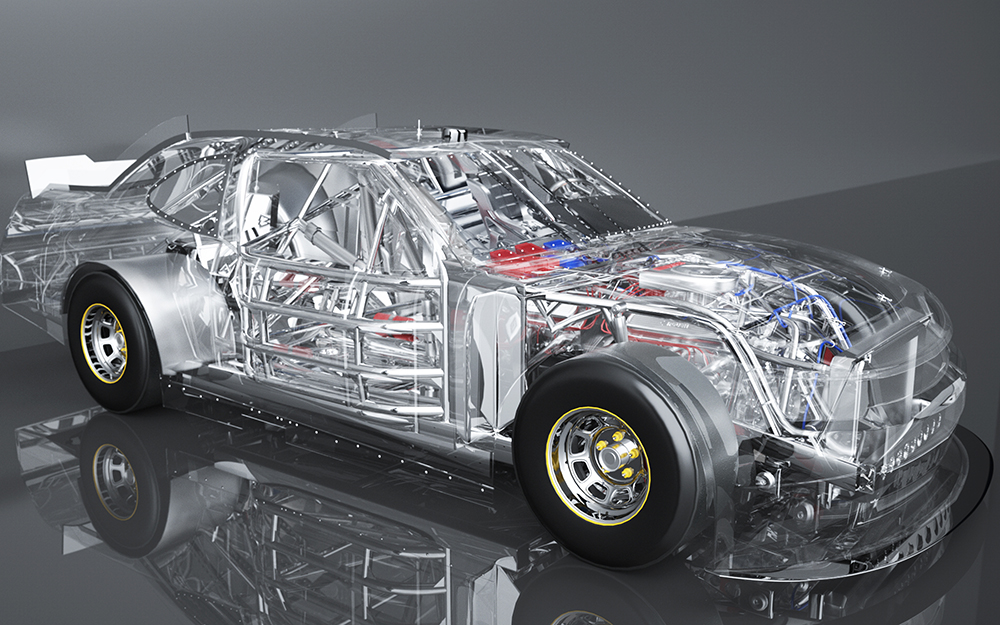
Figure 2: Application of aluminum alloy in automobile manufacturing
Where Aluminum Alloy Is Used
Aluminum alloy body panels now appear throughout automobile production. Manufacturers apply them to key structural components — doors, roofs, front frames and more — to achieve lightweight bodies by replacing traditional steel. Aluminum alloys also serve in battery boxes and chassis components, giving electric vehicles higher mileage and stronger safety performance. Beyond meeting lightweight needs, aluminum alloy panels improve a vehicle’s environmental performance and ride comfort.
Three Challenges to Solve
1. Material cost
Cost remains the first major difficulty in lightweighting efforts at home and abroad. Aluminum alloy costs more than traditional steel, which limits its application in mass production to some extent. However, as technology advances and production scale expands, the cost keeps falling, and aluminum alloys should become more competitive in the future.
2. Strength and rigidity
Aluminum alloy still lags behind steel in strength and rigidity. Although aluminum alloys show good strength and stiffness, a certain gap remains compared with high-strength steels. For automotive parts that demand higher strength, engineers still need to find higher-strength aluminum alloys or adopt composite material solutions.
3. Sustainability and recycling
Sustainability and recyclability form another important issue. Aluminum alloys can be recycled and reused for resource circulation, but the recycling rate still has room to improve. While promoting automotive lightweighting, the industry must pay attention to the environmental impact of aluminum alloy materials, strengthen the recycling system for waste aluminum alloys, and achieve maximum resource utilization and sustainable environmental development.
A Promising Road Ahead
Despite these challenges, the future of aluminum alloys in the automotive industry remains promising. Continuous technological innovation and manufacturing progress will keep improving the performance of aluminum alloy materials while further reducing their cost. At the same time, global demand for environmental protection and sustainable development will drive wider adoption of aluminum alloys in automotive lightweighting, and their market share in the automotive industry should keep growing over the next few years.
In conclusion, aluminum alloy plays an important role in the automotive industry as a lightweight material. Its characteristics and performance advantages make it an ideal choice for lightweight vehicles, providing strong support for better fuel efficiency, lower carbon emissions and enhanced vehicle performance. Although the development path still holds some challenges, advancing technology and processes promise a very broad application prospect. We have reason to believe that aluminum alloys — as light as a feather and as strong as steel — will continue to play a vital role in the future of automotive engineering.



