
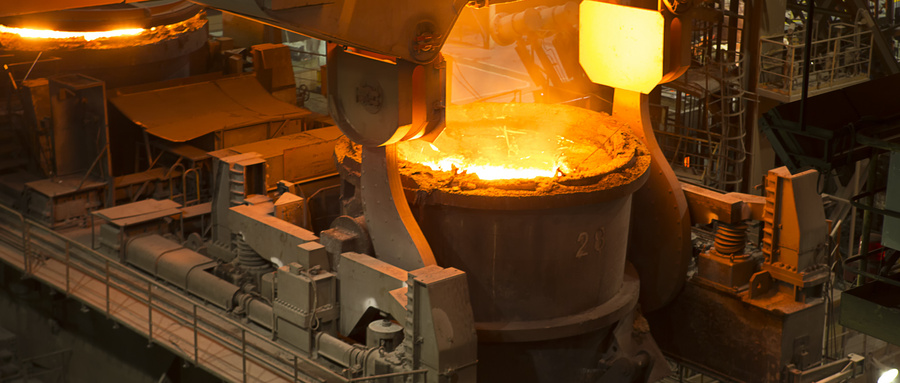
At present, vehicle body lightweighting is an important challenge for every car factory. As one of the key solutions, high-strength steel offers clear advantages: it strengthens the vehicle body and improves collision safety performance. However, high-strength steel is difficult to form and suffers from serious springback, which brings great trouble to tooling manufacturing and debugging.
In this context, thermoformed steel has emerged as the perfect choice to solve these problems. After a special processing technology, thermoformed steel shows excellent strength and toughness under high pressure and heavy load. Its high strength effectively resists external pressure and impact. At the same time, heat treatment has largely overcome the springback problem, which greatly reduces the difficulty of tooling manufacturing and debugging.
Composition and Properties of Thermoformed Steel Plates
Thermoforming steel plate is made through a special manufacturing process. Its composition mainly includes carbon, silicon, manganese, sulfur and phosphorus, with a relatively high carbon content — usually between 0.10% and 0.25%. In addition, manufacturers may add small amounts of alloying elements such as chromium, nickel and molybdenum to adjust the performance of the steel plate.
An example from automotive manufacturing illustrates the performance of thermoforming. Suppose a body beam in a car’s structure needs a material that guarantees sufficient strength and safety in a collision. Thermoformed steel is an excellent choice for this body beam.
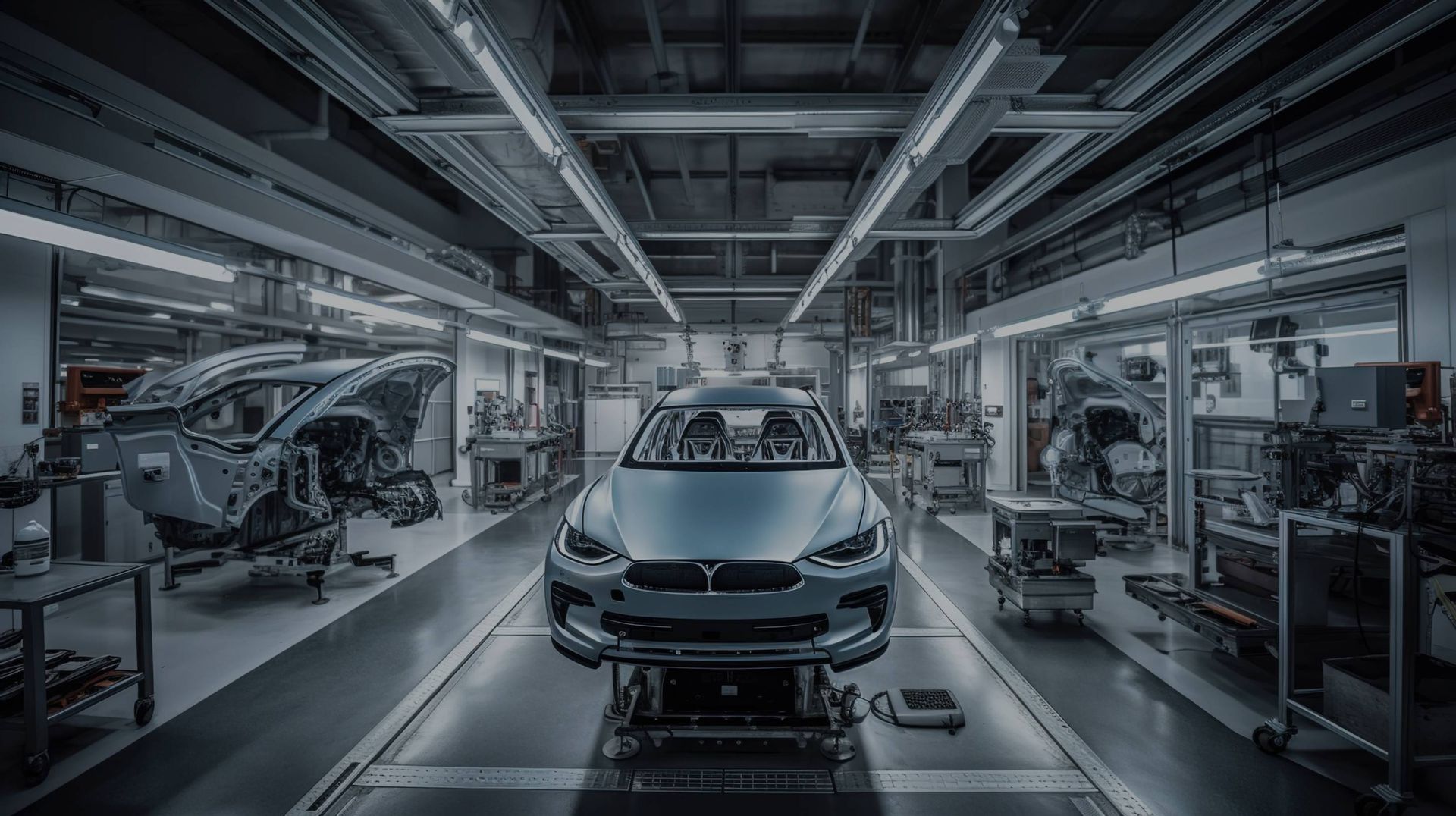
The performance advantages of thermoformed steel in automotive manufacturing are as follows:
- High strength. Special processing technology gives hot-formed steel small, uniform grains, high tensile strength and high yield strength. The body beam can therefore absorb energy effectively in a collision, reducing the impact on the vehicle and its occupants.
- Excellent toughness. Thermoformed steel shows outstanding toughness, so the body beam can bend and deform without breaking during a collision. This helps prevent structural collapse and protects occupants.
- Good plasticity. Its plasticity allows body beams to adopt complex shapes and designs. Car manufacturers can thus choose different beam shapes and sizes according to the requirements of different models and body structures.
- Good welding performance. Thermoformed steel usually welds well, so the body beam can be joined into the overall structure through welding and other processes, improving the car’s overall rigidity and stability.
Thermal Forming Parts Manufacturing Process Flow
1. Blanking sheet production
Uncoiling blanking lines produce blanking sheets with a specific profile. Robots then transport each blanking sheet to the thermoforming line, pick it up with a vacuum sucker and place it on the conveyor line, which feeds it into the heating furnace.
2. Austenitizing of the metallographic structure
The initial metallographic structure of boron steel consists of ferrite and pearlite. In the austenitizing stage of the hot forming process, the sheet is first heated to 930–950℃ and then held at temperature, so its internal structure becomes completely austenitic. Austenite offers very good plasticity and low strength, making it ideal for stamping.
3. Hot stamping
The manipulator clamp quickly transfers the heated sheet from the furnace into the cavity of the hot forming die for stamping. The key difference between a hot forming die and a cold stamping die lies in the added water cooling system. During pressure-holding cooling (quenching), the metallographic structure of the sheet transforms completely into martensite. Martensite is extremely strong and hard: thermoformed parts reach a tensile strength of 1500 MPa, and the surface hardness reaches 52 HRC.
4. Laser cutting
Hot-formed parts are so strong and hard that trimming and punching them with traditional cold stamping dies causes serious die wear and sharply shortens die life. The current solution equips the end of the thermoforming line with 3–4 laser cutting robots for trimming and punching.
5. Post-processing
During thermoforming, the high-temperature part surface oxidizes and forms an oxide film. Manufacturers therefore generally clean the finished part by shot peening.
The above describes a general manufacturing process flow for thermoformed parts. Specific processes and steps may vary depending on the product type, materials and requirements.
Wide Applications Across Industries
The application fields of thermoforming steel are very broad, especially in high-pressure and heavy-load scenarios. In aerospace, marine, nuclear energy and other energy fields, manufacturers widely use thermoformed steel to make high-pressure vessels and structural parts with high strength requirements. In the automotive industry, thermoformed steel goes into body structures and body safety components, giving vehicles greater compression and crash resistance.
A Broader Future Ahead
In the future, as science and technology keep advancing and innovation continues, the application prospects of thermoforming steel will grow even broader. Its advantages in high-pressure and heavy-duty scenarios will be continuously exploited, bringing more possibilities and opportunities to many fields. At the same time, the green credentials and sustainability of thermoforming steel will receive more attention. Let us look forward to the brilliant performance of thermoformed steel in the future — and to its growing contribution to the development and progress of human society!



