
eywords: Electrical Steel / Silicon Steel · CRGO / Grain Oriented Silicon Steel · CRNGO / Non-Grain Oriented Silicon Steel · Core Loss / Iron Loss · Transformer Core · Laminated Core · Motor Core · Transformer Steel · High-Efficiency Transformer
Introduction
In today’s electrical industry, core materials are indispensable components for both power equipment and motors. A transformer handles energy transmission, while a motor drives industrial production and transportation. In both cases, the performance of the core directly determines the energy efficiency and reliability of the equipment.
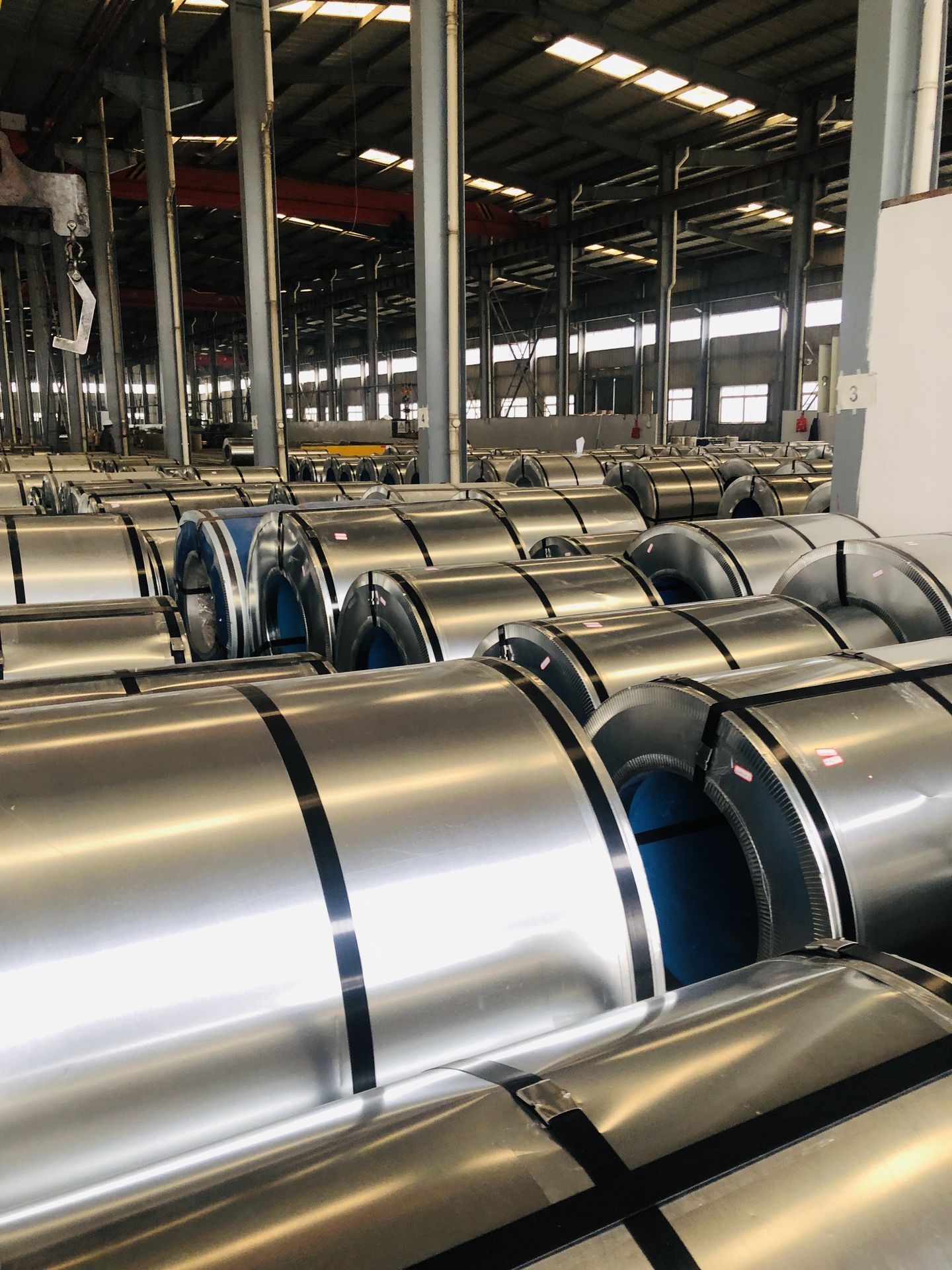
The key material for manufacturing cores is electrical steel, also called silicon steel. It offers excellent magnetic properties and low iron loss. As a result, it is the only core material currently used on a large scale.
Electrical steel divides into two categories: Grain Oriented Silicon Steel (CRGO) and Non-Grain Oriented Silicon Steel (CRNGO). The main difference lies in grain orientation. CRGO optimizes magnetic performance in one direction, which makes it ideal for transformer cores. CRNGO, by contrast, has uniform magnetic properties in all directions, so it suits motor cores better.
This article analyzes the differences and applications of transformer cores and motor cores from four perspectives: material principles, structural forms, application scenarios, and commonly used grades. It also highlights MOOPEC’s strengths and future outlook.
1. Transformer Core
1.1 Principle
Transformers work on electromagnetic induction, and the core provides the magnetic path. An alternating current in the primary winding creates a changing magnetic field. The flux then passes through the core to the secondary winding, which enables voltage and current transformation. For this reason, the core material must have high permeability and low loss. Otherwise, energy waste becomes significant.
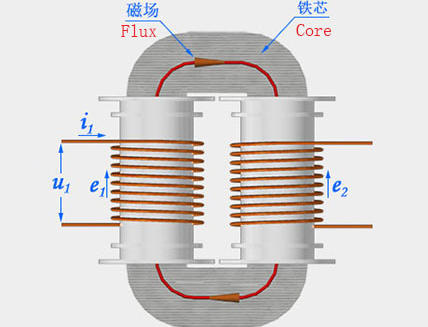
The uniqueness of CRGO lies in its grain alignment along the rolling direction. Magnetic domains arrange themselves accordingly. As a result, permeability peaks and hysteresis loss drops along the rolling direction. Since transformer flux travels essentially in one direction, CRGO is the ideal choice.
1.2 Structure and Features
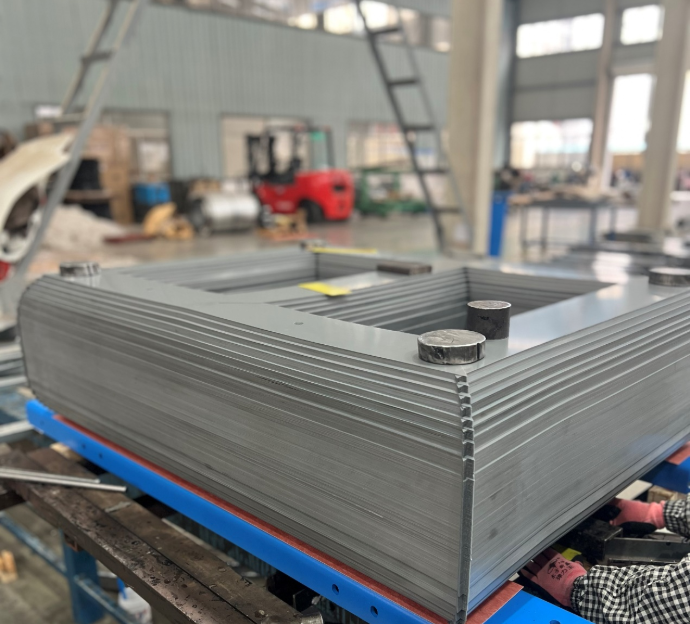
Transformer cores, also known as transformer steel, usually take the form of laminated structures built from thin CRGO sheets. Manufacturers coat each sheet with an insulating layer to prevent interlayer short circuits and reduce eddy current loss. The thickness of CRGO typically ranges from 0.18–0.30 mm. Thinner sheets lower iron loss, but manufacturing costs rise accordingly.
Classification by Structure
Shell type core: The core surrounds the winding like a shell. Advantages include fewer sheet specifications, large and short core sections, easy clamping, low leakage flux, and good heat dissipation. Drawbacks include complex coil insulation, poor short-circuit resistance, and high steel consumption.
Core type core: The windings surround the core columns (inner core type). Advantages are cylindrical windings for easy winding, stable short-circuit performance, and simple insulation. Disadvantages include more sheet specifications and strict assembly requirements. Most domestic transformers use core-type structures.
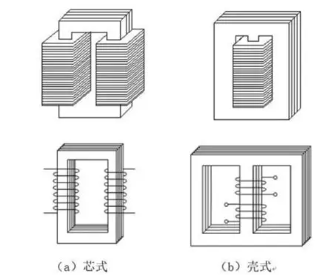 (a) Shell type core ; (b) Core type core
Classification by Lamination Method
Laminated cores: Built from stacked CRGO sheets, and they are common in various transformers.
Wound cores: Formed by winding strip steel, and they appear mainly in small transformers.
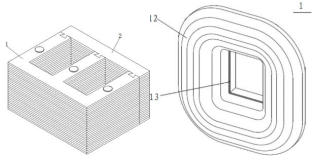 (a) Laminated cores; (b) Wound cores
Classification by Phase Number
Single-phase cores: For single-phase transformers.
Three-phase cores: For three-phase transformers.
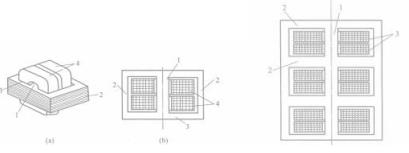 (a) (b) Single-phase cores ; Three-phase cores
Other Types
Shell-type radial cores
Core-type involute cores
Single-frame cores
Double-frame cores
Core-type laminated cores are the most common in China. They offer simple structure, low cost, and stable performance, so they suit a wide range of voltage and capacity classes.
1.3 Applications
Different structures serve different purposes.
Power transformers: Used in transmission and distribution networks, these require extremely low losses.
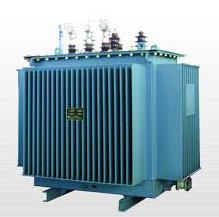
Distribution transformers: Installed in cities and factories, these require compact size and high efficiency.
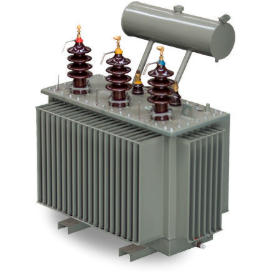
Special transformers: Furnace, traction, and rectifier transformers each face unique operating conditions and material demands.
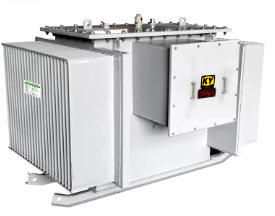
With the push for energy savings, high-efficiency transformers are becoming mainstream. As a result, they place higher demands on CRGO.
1.4 Common CRGO Grades
Three grade families cover most transformer projects. Standard grades such as B18P060, B23P080, and B27P095 serve small to medium power transformers. High-induction grades such as B23G085 and B27G095 offer higher magnetic induction, so they suit high-efficiency distribution transformers. Finally, ultra-high induction grades such as B27H100 and B30H120 appear in large power transformers and specialized equipment, where they deliver ultra-low loss and high efficiency.
Differences mainly lie in thickness, iron loss, and magnetic induction intensity. Therefore, customers can select a grade based on transformer rating and efficiency needs.
2. Motor Core
2.1 Principle
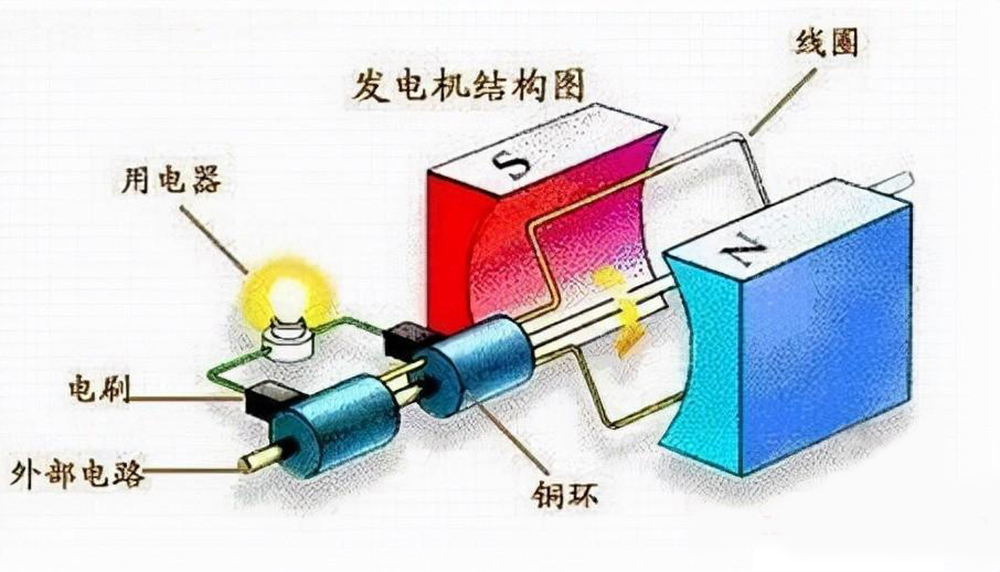
Motors operate on electromagnetic induction and torque generation. The core not only forms part of the magnetic circuit but also bears mechanical stress. Moreover, motors rely on a rotating magnetic field where flux direction constantly changes. For that reason, the core material must maintain consistent properties in all directions.
CRNGO, with its random grain orientation, provides uniform magnetic performance in all directions. This uniformity ensures efficient operation under rotating flux. It also offers good punchability and mechanical strength, which makes it ideal for motor laminations.
2.2 Classification
By Motor Type
- DC motor cores: For precise speed and torque control, such as EV drive motors.
- AC induction motor cores: Widely used in industry, such as fans and pumps.
- Synchronous motor cores: For applications requiring stable speed, such as large generators.
By Motor Structure
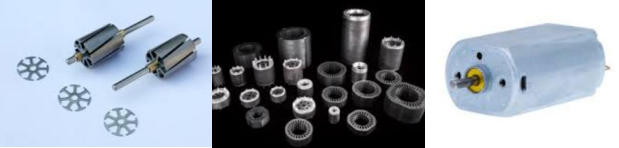
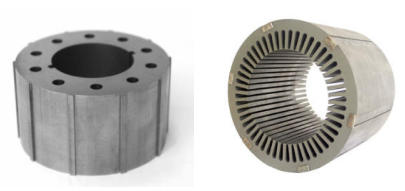
- Rotor cores: The rotating part, typically laminated CRNGO sheets.
- Stator cores: The stationary part, also laminated, and they produce the magnetic field.
By Core Presence
- With cores: Coils wound on laminations to enhance flux.
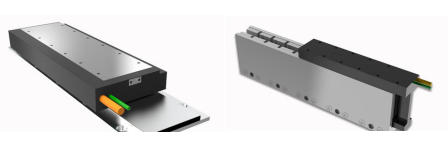
- Coreless motors: Coils suspended directly in the magnetic field, used in special designs.
By Application
- Automotive motors: Starter motors and EV drive motors.
- Generator motors: Wind and hydro generators.
- Industrial motors: Fans, pumps, and machinery.
Since motor performance directly impacts efficiency, stability, and lifespan, choosing the right core material and structure is critical.
2.3 Common CRNGO Grades
Two grade families cover most motor projects. Medium-frequency grades such as B15AV1000, B20AV1200, and B25AV1300 serve standard industrial and household motors. High-efficiency grades such as B27M1300 and B30M1500 target EV drive motors and high-speed motors, where the focus is high frequency and low loss.
The key differences are thickness, iron loss, and magnetic induction strength. As a result, engineers can optimize a grade for speed and efficiency requirements.
3. Comparison and Summary
3.1 Material Principles
CRGO: Grain alignment provides peak permeability in one direction, which is ideal for transformers.
CRNGO: Random orientation ensures uniform magnetic performance in all directions, which is ideal for motors.
3.2 Structural and Application Differences
Transformer cores: Laminated or wound, and they emphasize low core loss and efficiency.
Motor cores: Laminated punchings, and they emphasize mechanical strength and isotropic performance.
3.3 Industry Trends
Transformers: Moving toward ultra-low loss and higher efficiency, and demanding more advanced CRGO.
Motors: With the rise of EVs, demand for high-frequency, low-loss CRNGO is surging.
4. MOOPEC: Company Profile and Advantages
4.1 Positioning
MOOPEC specializes in electrical steel materials, including CRGO and CRNGO. We serve transformer manufacturers, motor producers, and new energy companies with one-stop material solutions.
4.2 Services and Advantages
- Small-batch customization: Sample supply, rapid prototyping, and early-stage small-lot orders.
- Fast delivery: 72-hour production and 7-day delivery, aligning with customer R&D and production cycles.
- Global presence: Headquartered in Singapore with branches in Shanghai, Wuhan, and Dalian, supporting multi-currency transactions and global logistics.
- Quality assurance: Supervised by PhD material scientists and senior experts, ensuring stable and reliable performance.
4.3 Customer Value
- Reduced R&D and prototyping costs.
- Improved efficiency and reliability of products.
- Shortened development cycles, which helps customers seize market opportunities.
Conclusion
Although both transformer cores and motor cores rely on electrical steel, their design principles and applications differ significantly. Transformer cores emphasize low loss and directional permeability, so they use CRGO. Motor cores require isotropy and strength, so they use CRNGO.
With the global growth of energy-saving initiatives and new energy industries, demand for high-performance electrical steel continues to rise. Leveraging its flexible small-batch services, rapid delivery, and global network, MOOPEC is well positioned to provide customers with competitive material solutions. In short, we aim to be a trusted partner in the industry.



